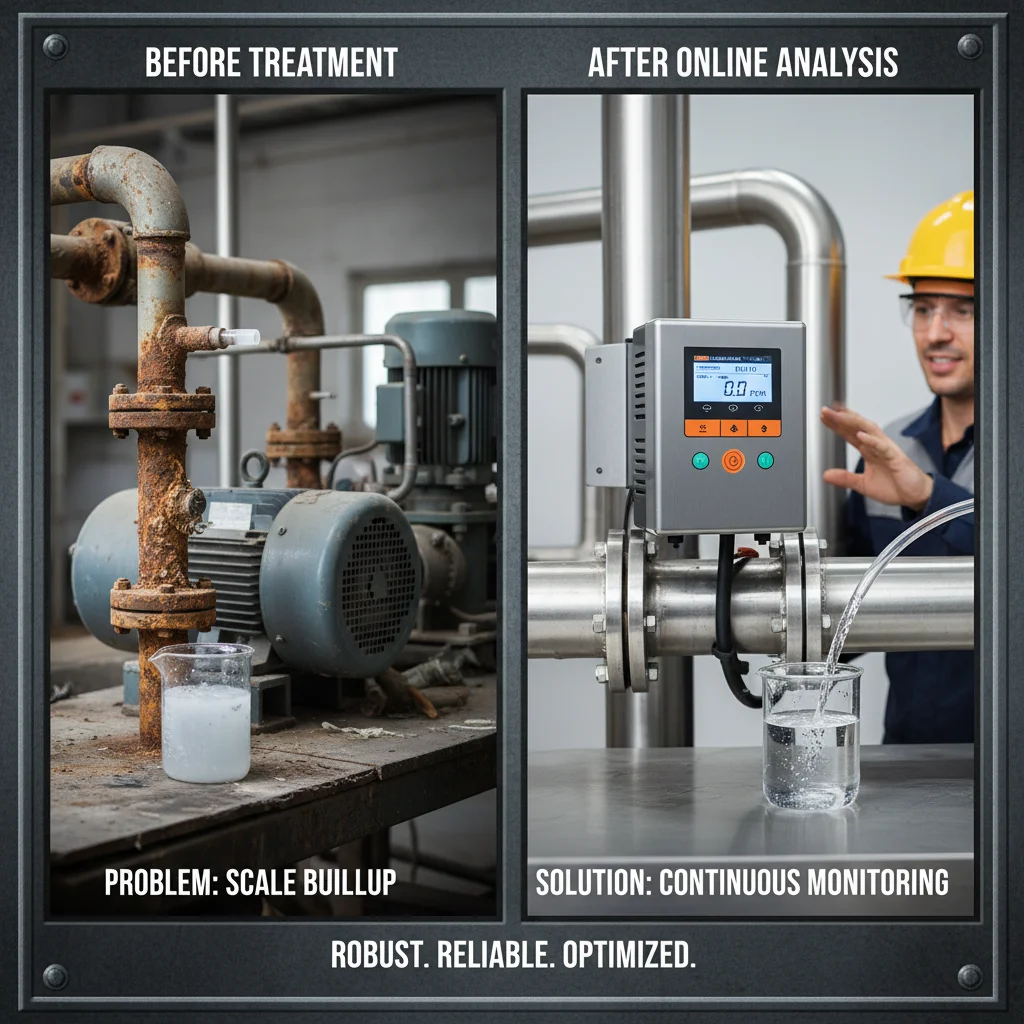
Understanding Water Quality Analyzers: A Comprehensive Guide
Maintaining optimal water quality is critical for various applications, ranging from environmental monitoring to industrial processes. A water quality analyzer is an essential tool for accurately assessing key parameters and ensuring water is safe and fit for purpose. This article delves into the different types of water quality analyzers, their applications, and how to choose the right one for your specific needs. Accurate water analysis contributes significantly to public health, environmental preservation, and operational efficiency.
Types of Water Quality Analyzers
Water quality analyzers come in a variety of designs, each suited for different applications and levels of complexity. Some common types include:
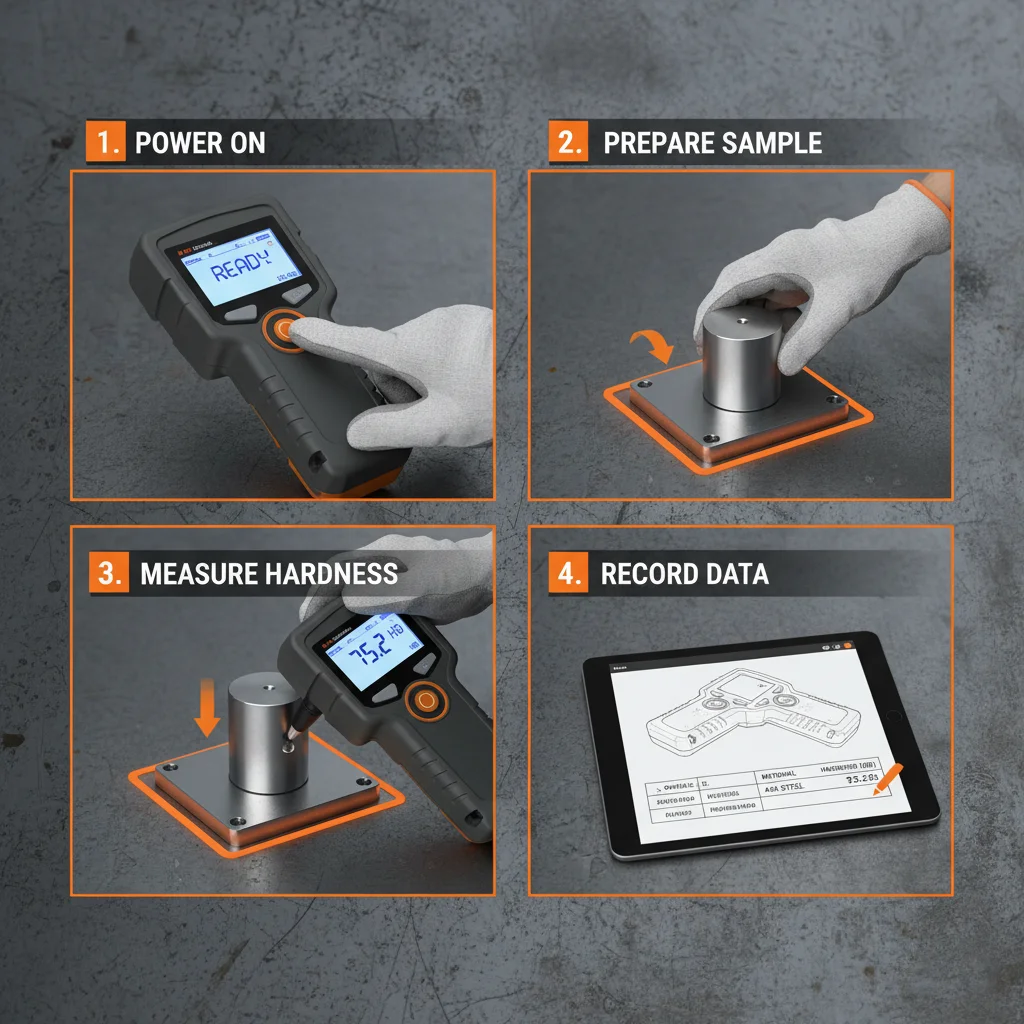
- Portable Analyzers: Ideal for field measurements, these handheld devices provide rapid, on-site results.
- Benchtop Analyzers: Designed for laboratory use, these instruments offer high precision and a wider range of parameters.
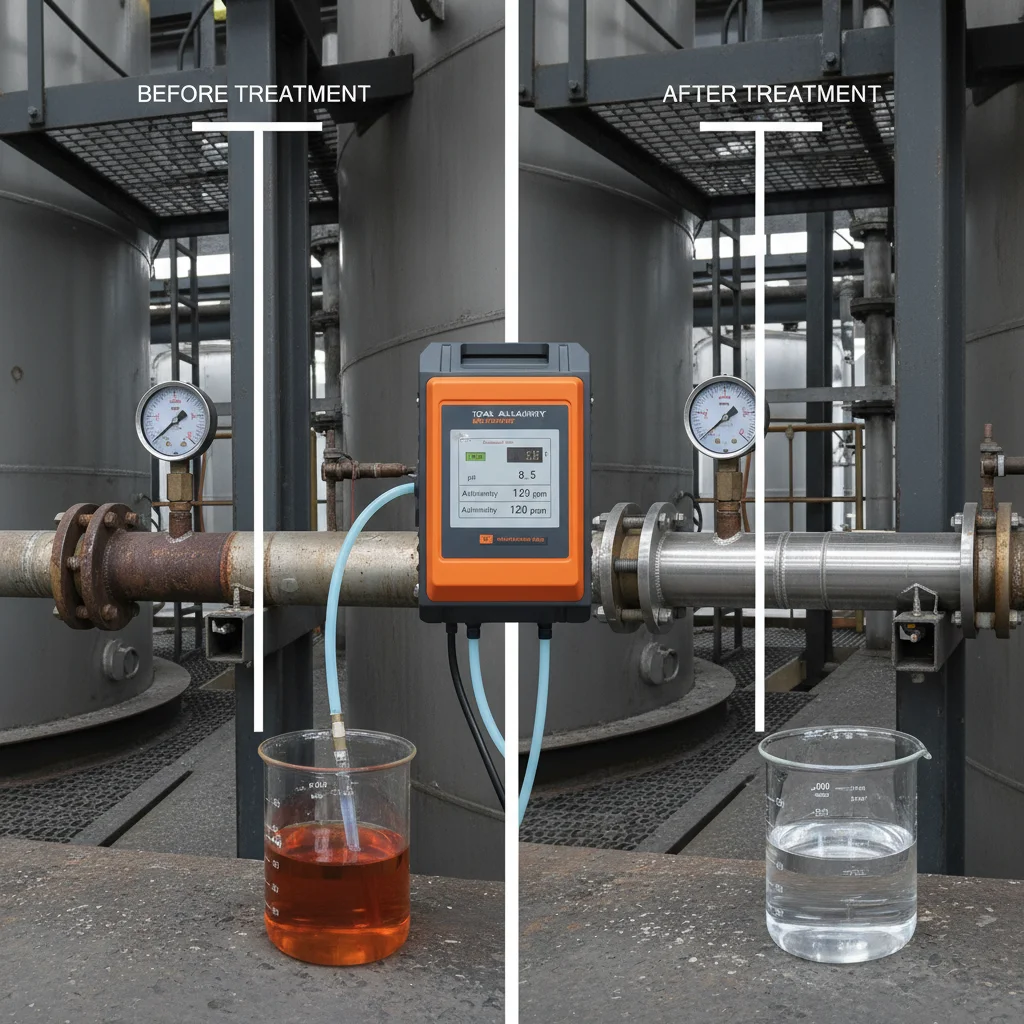
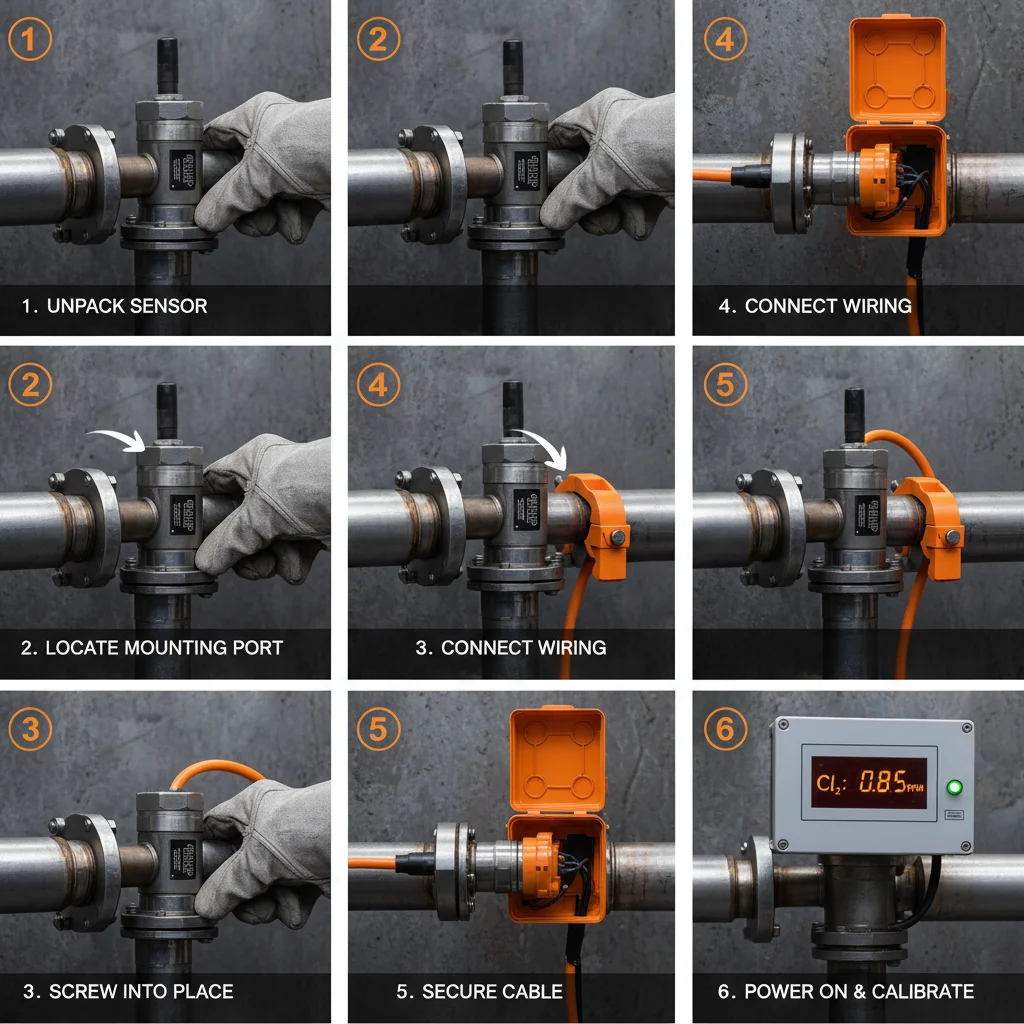
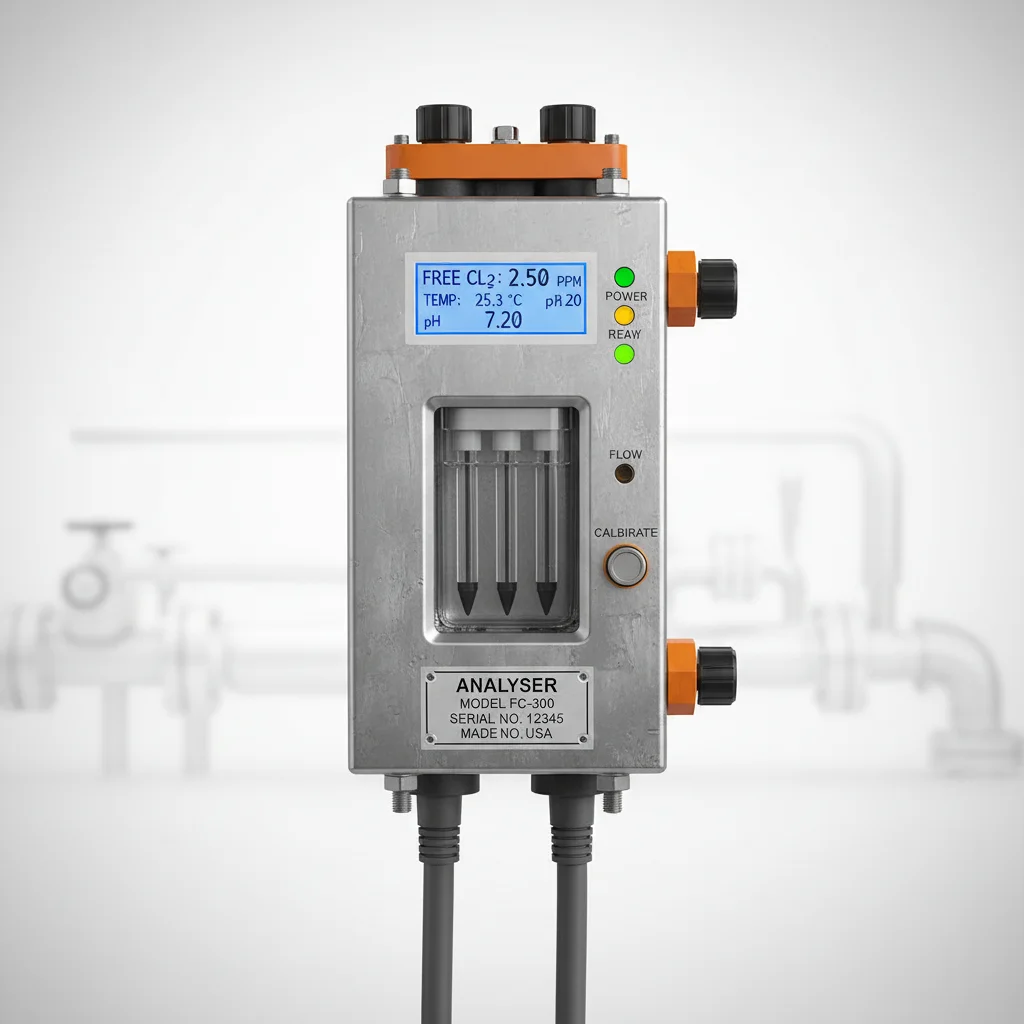
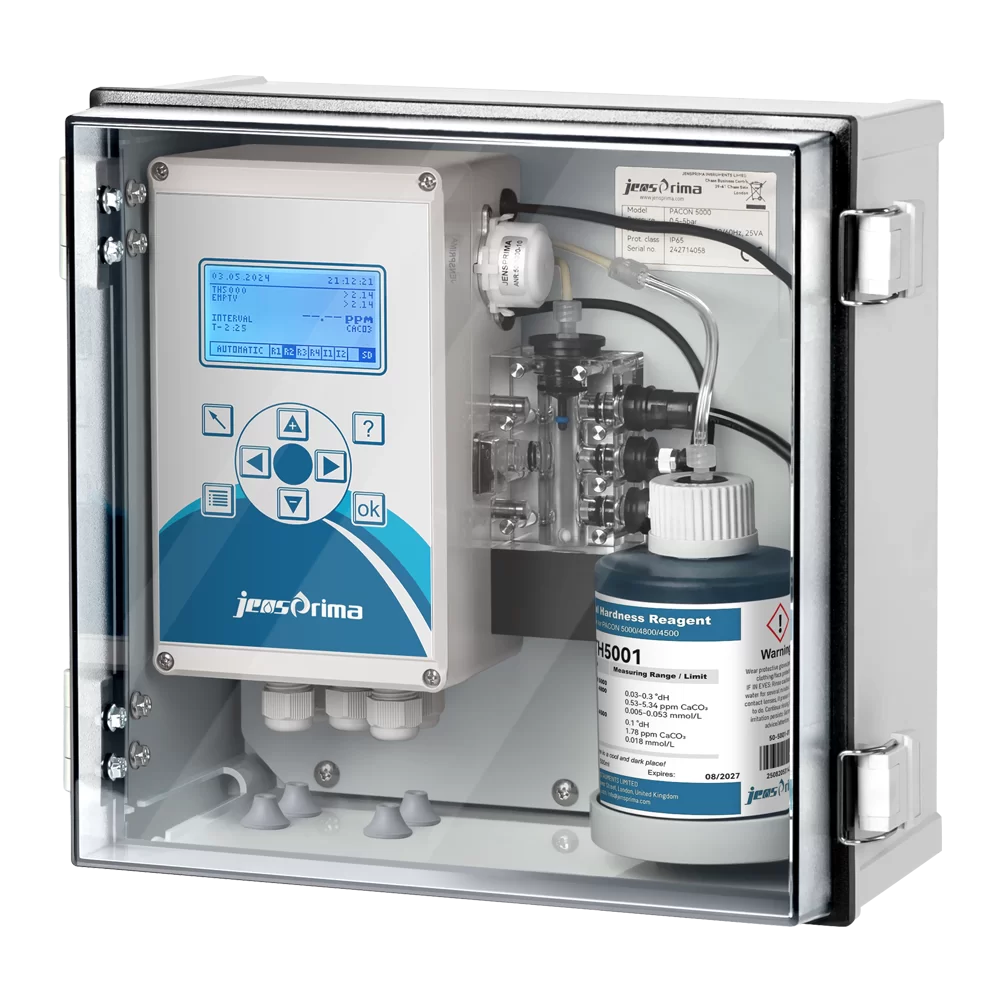
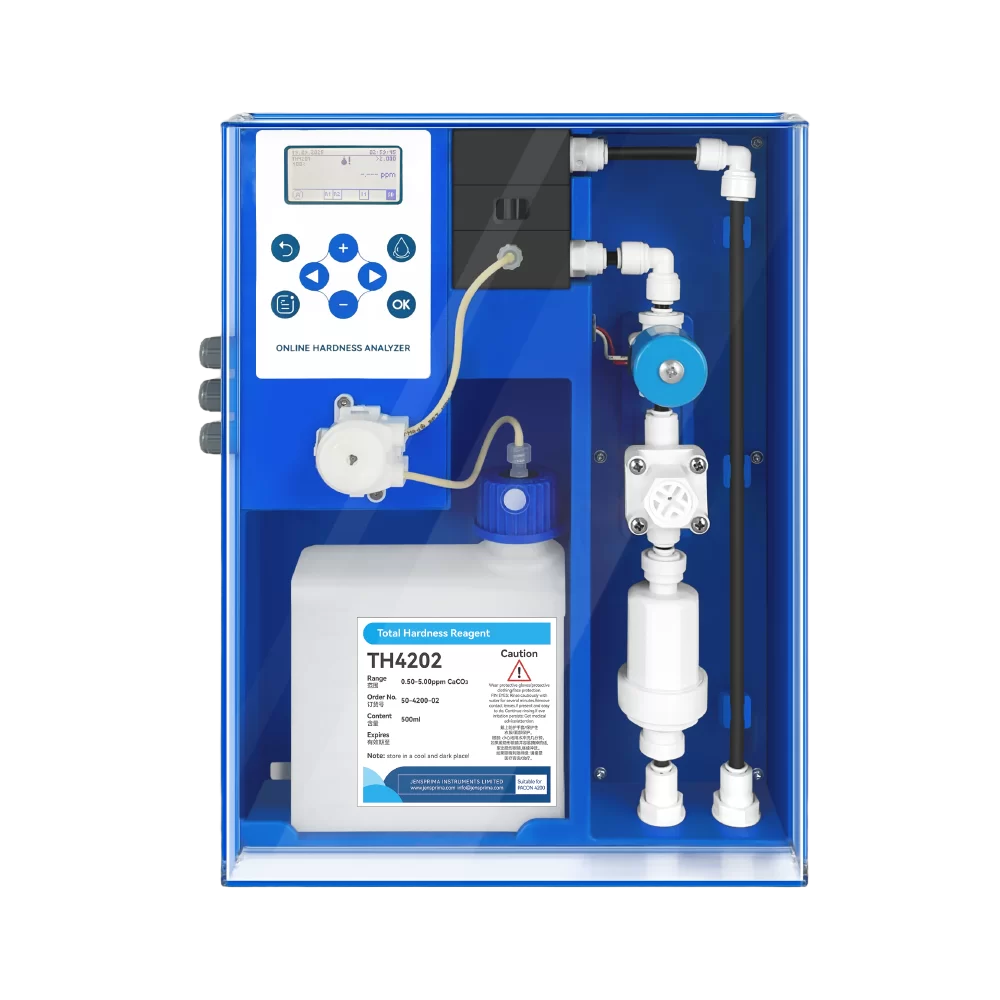
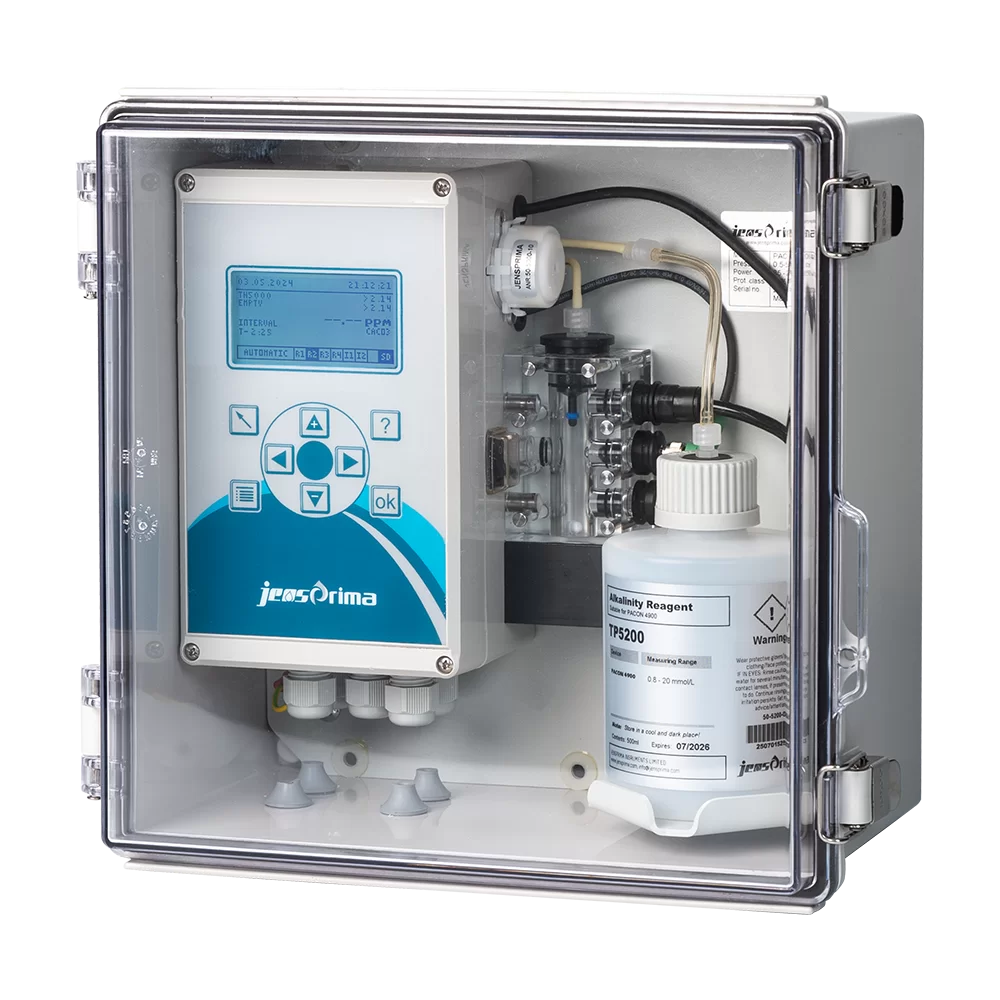
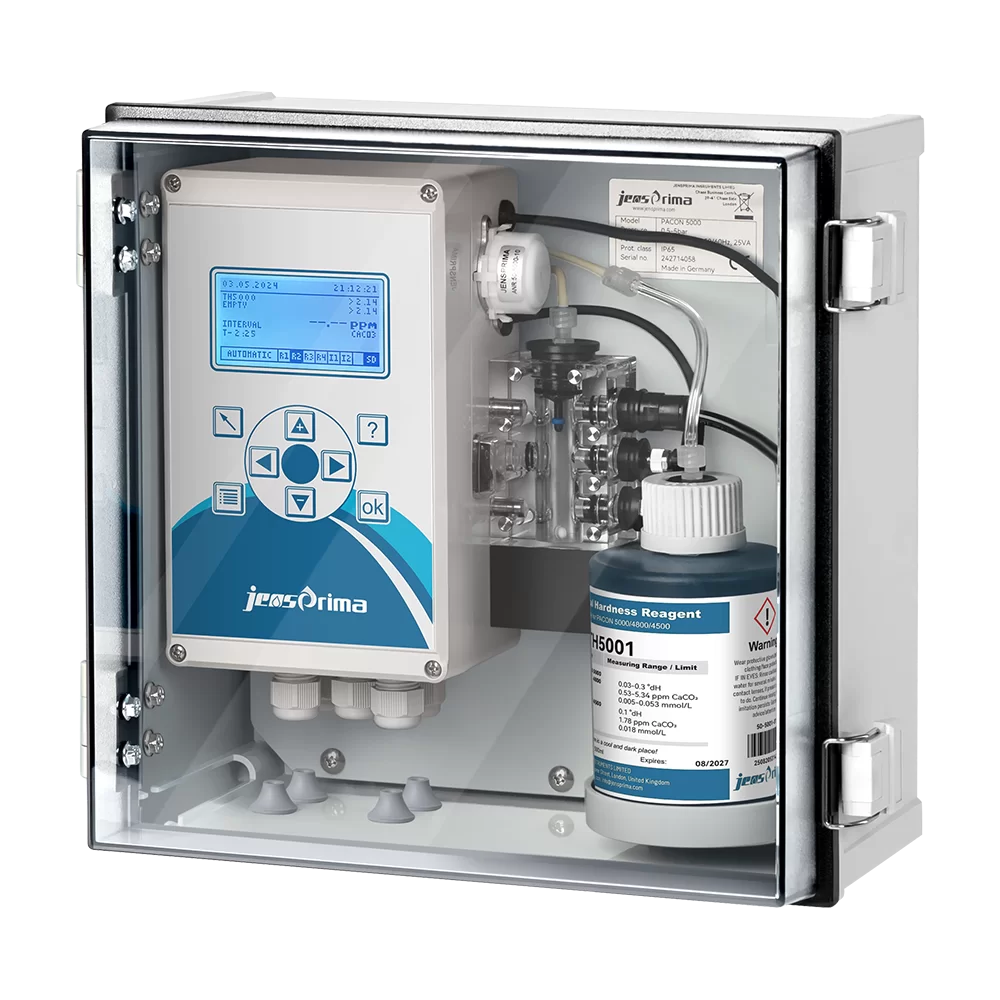
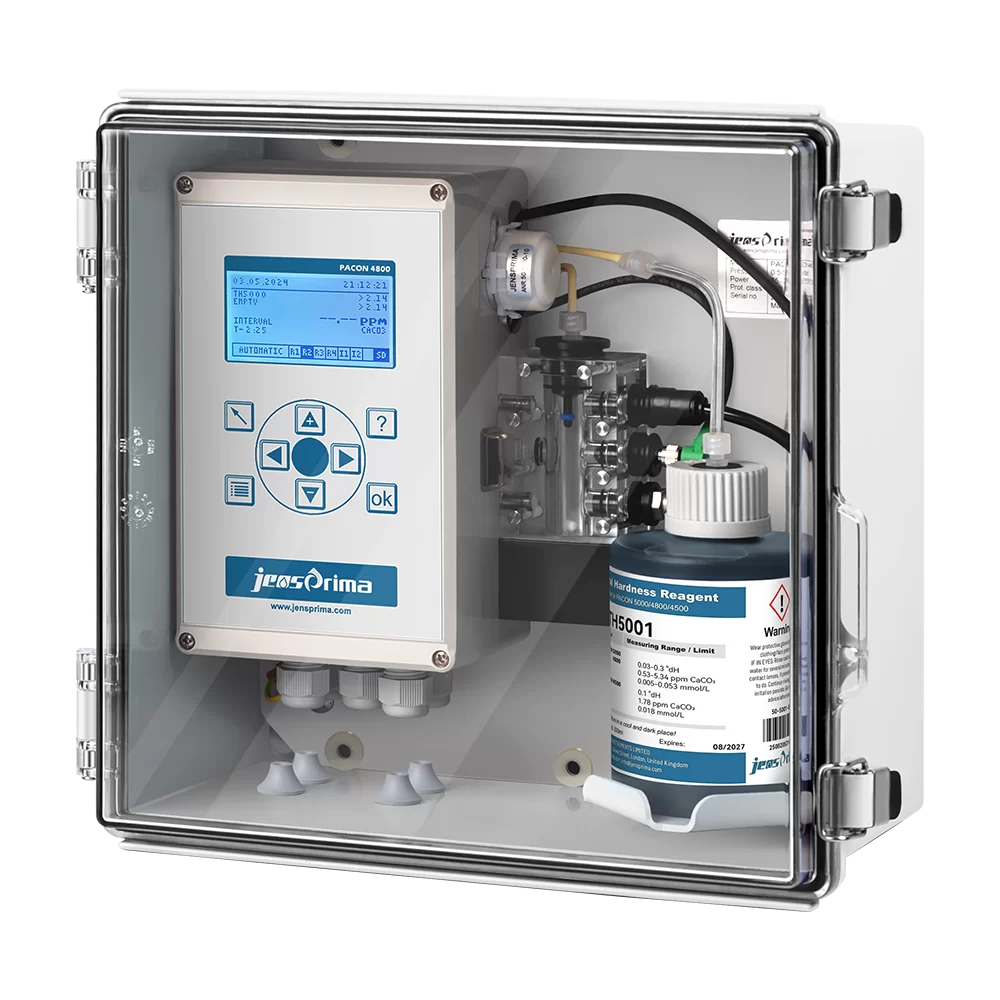
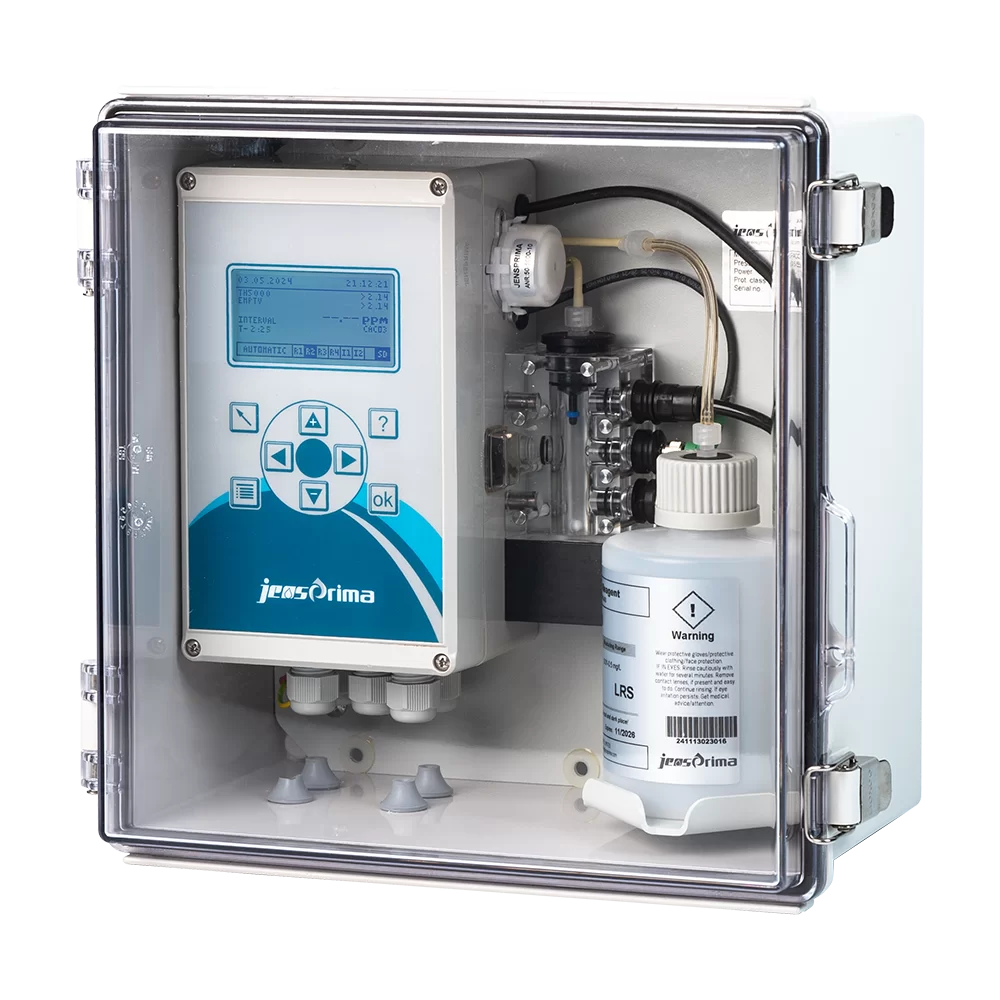
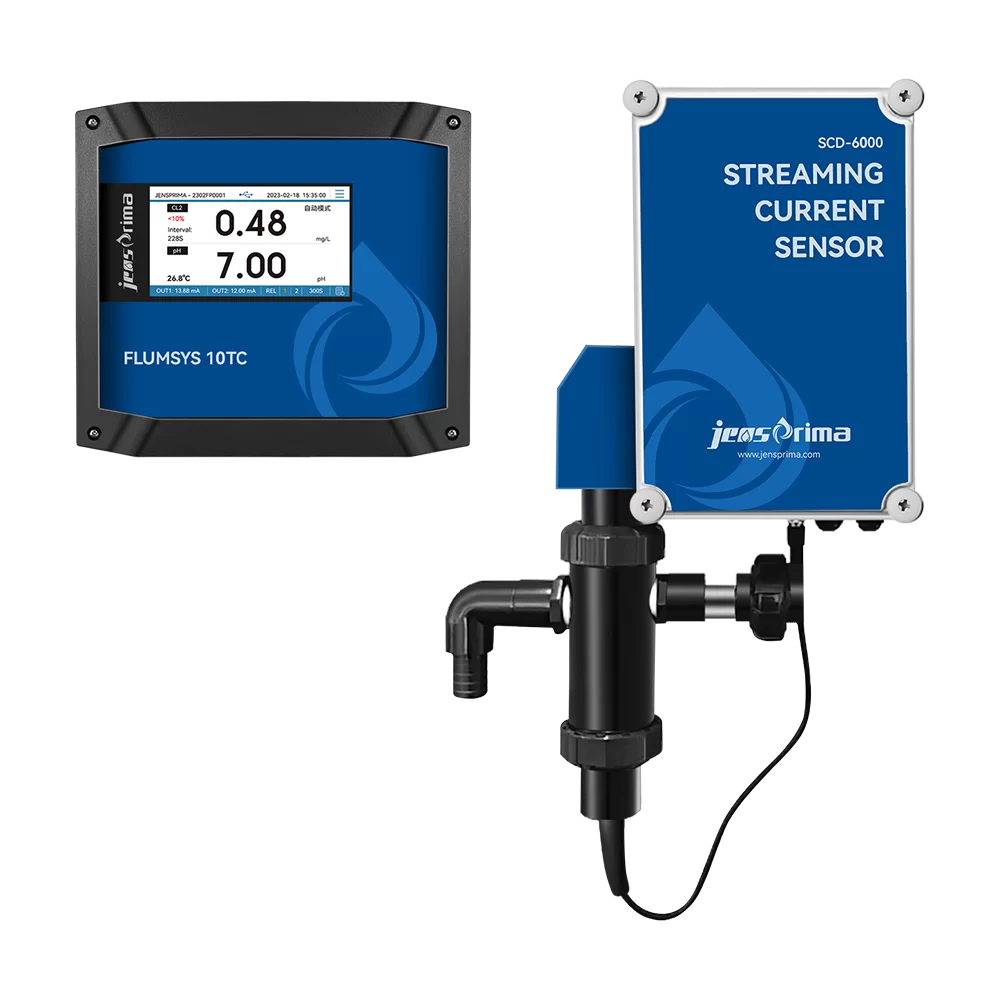
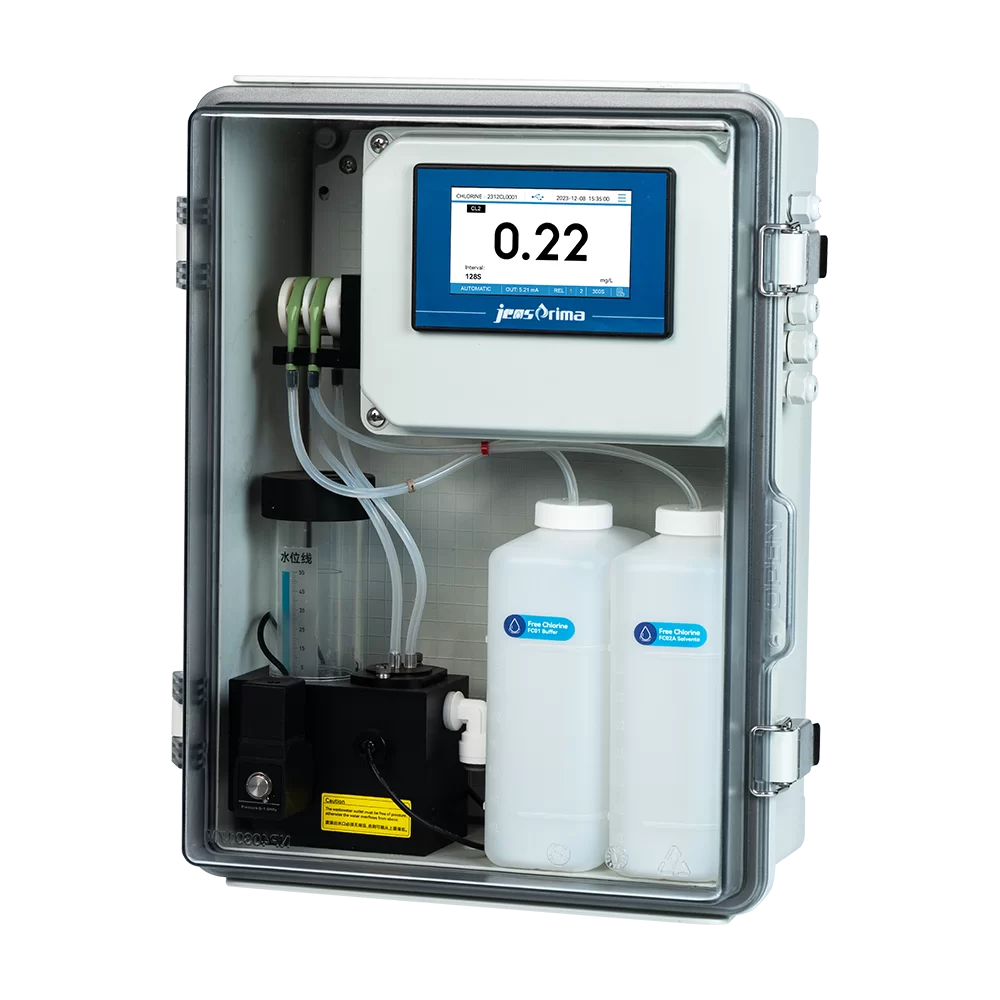
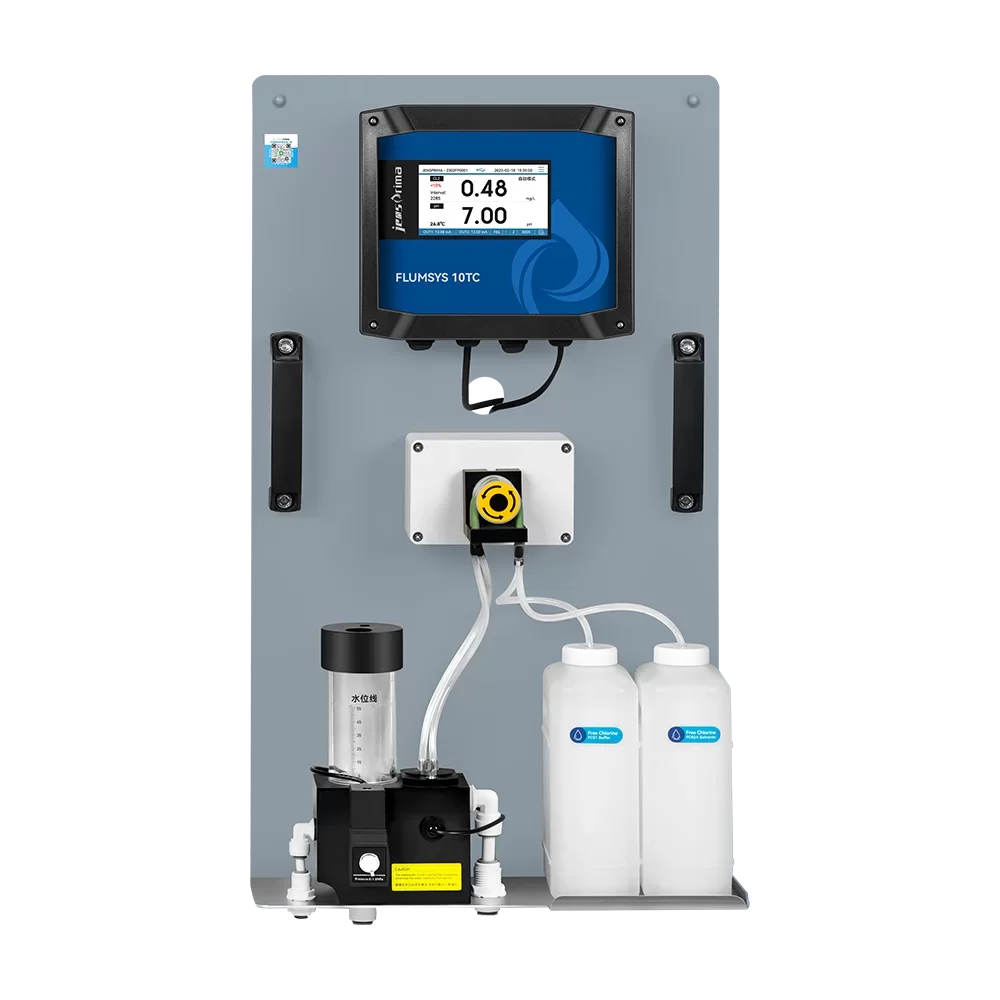
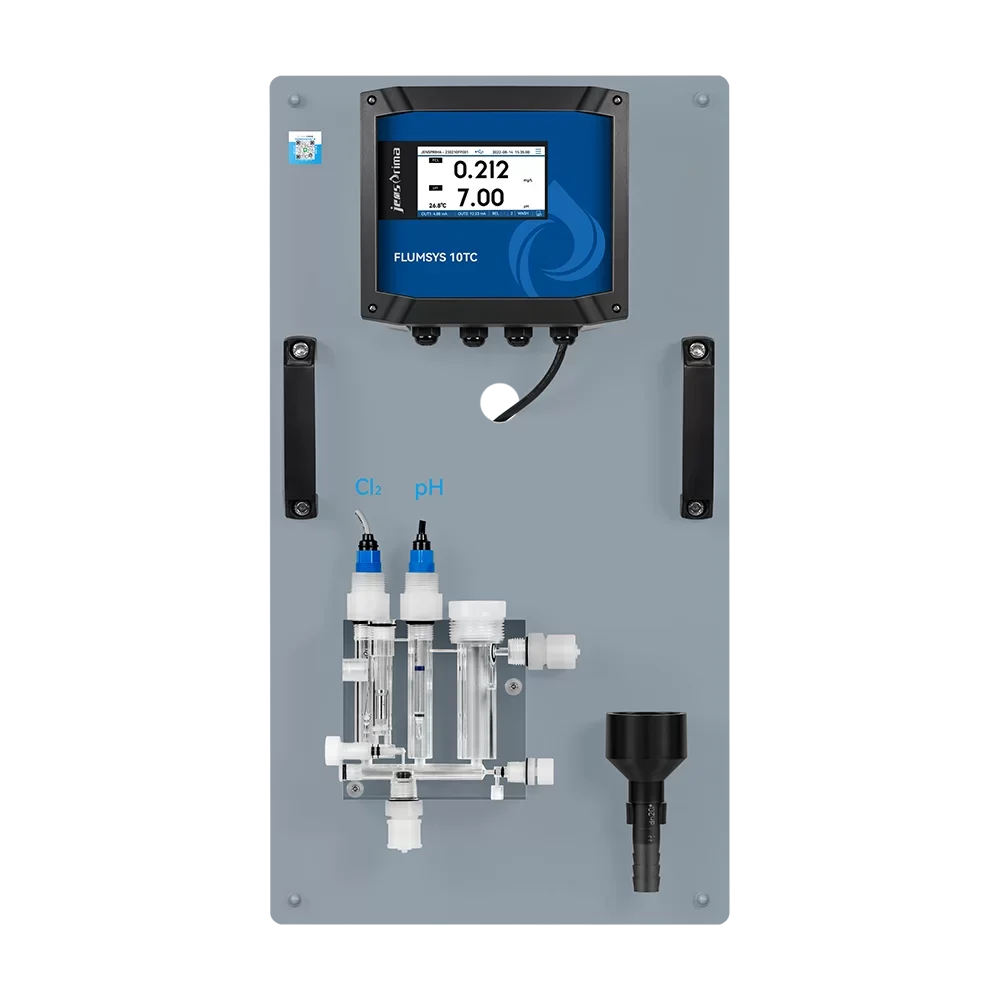
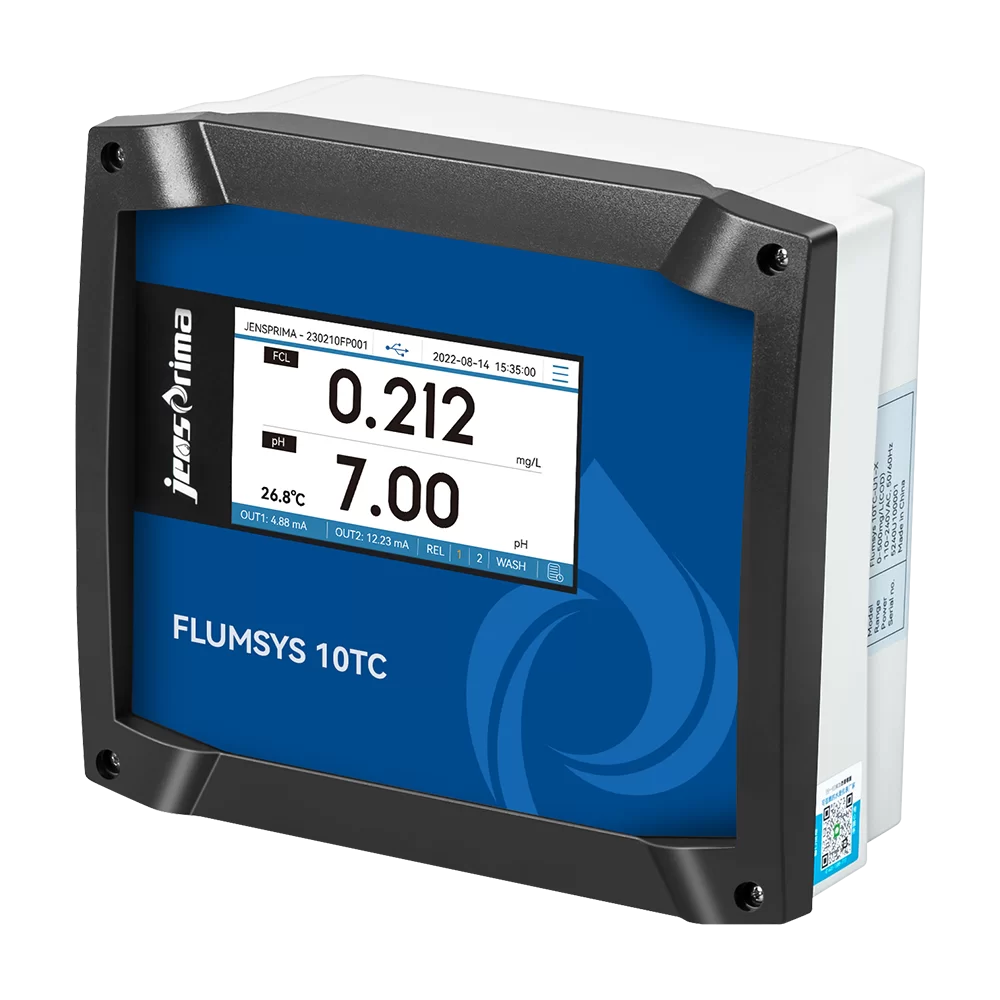
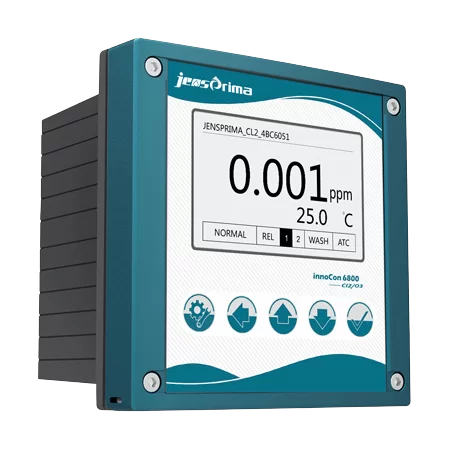
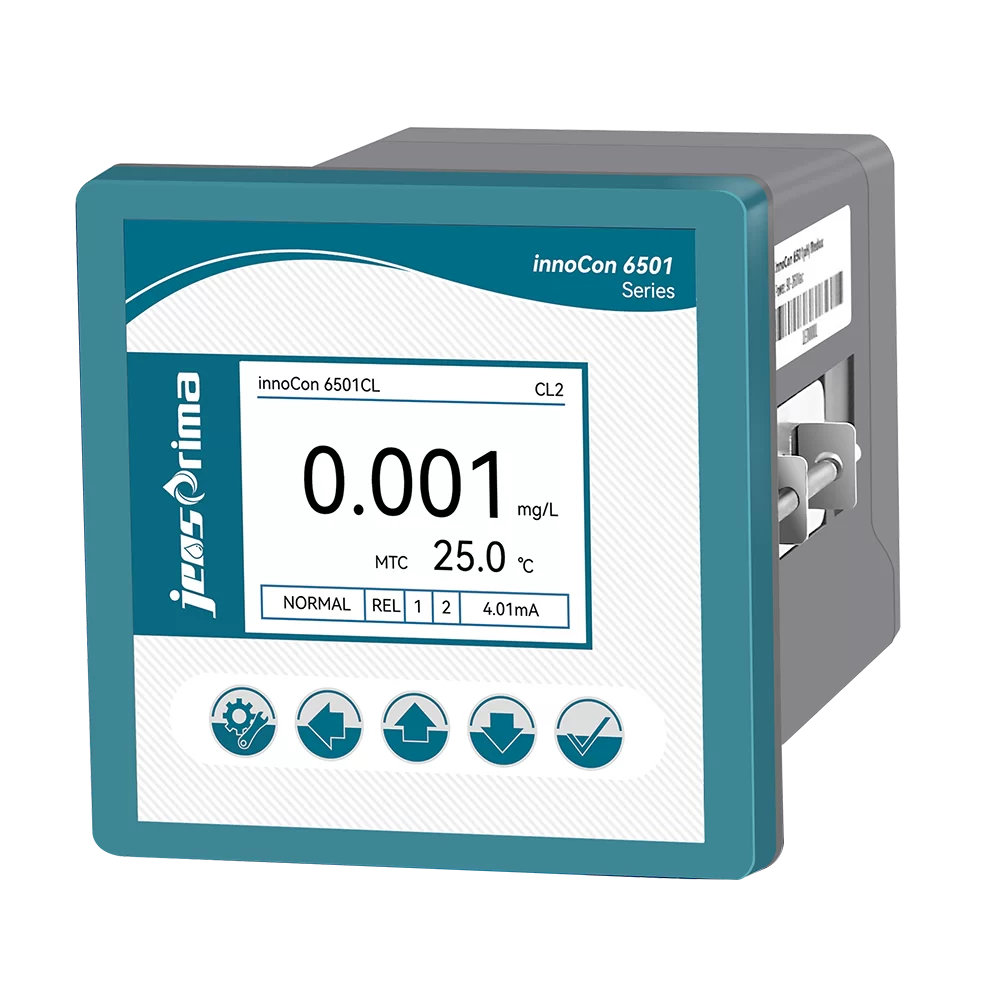
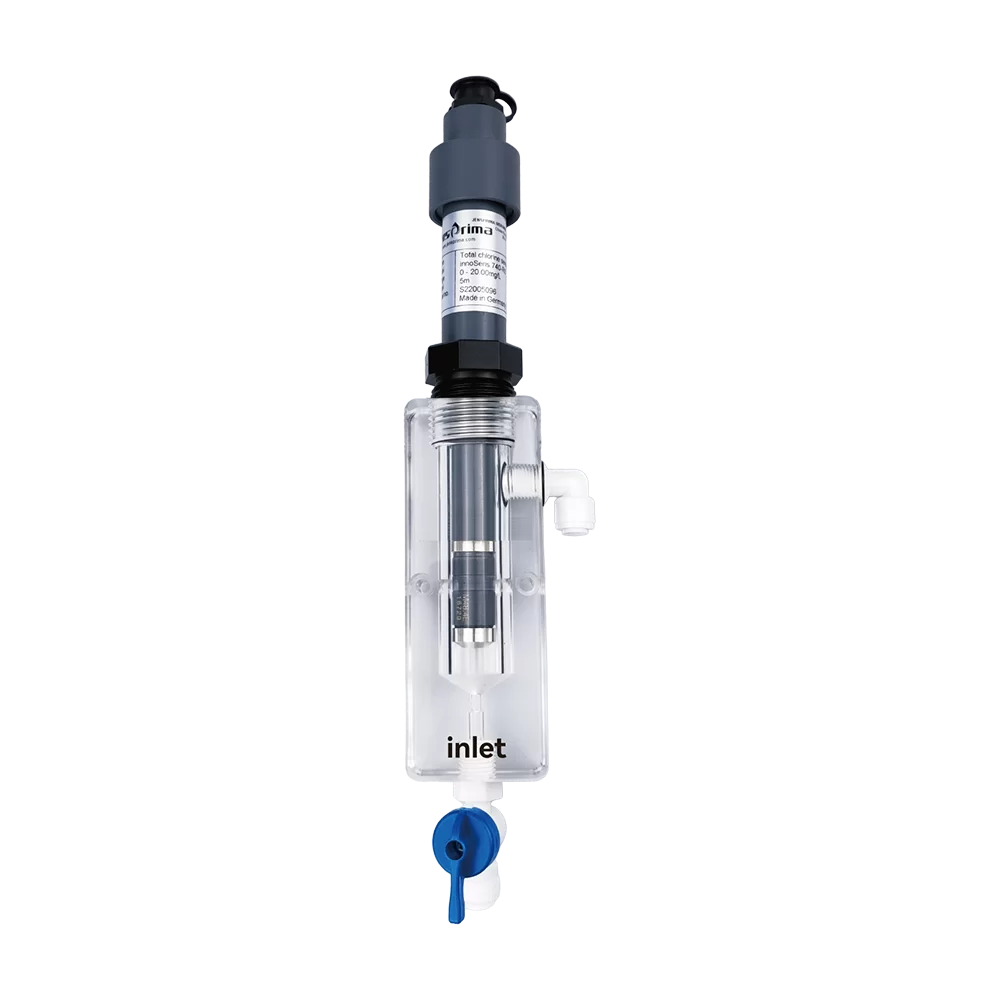
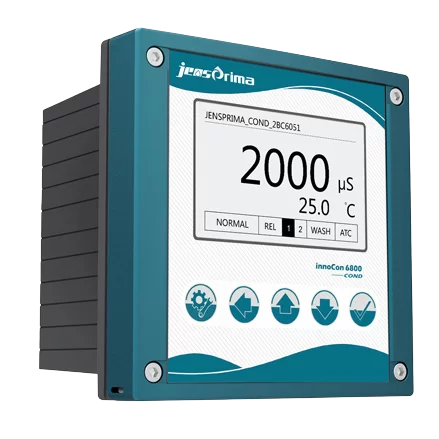
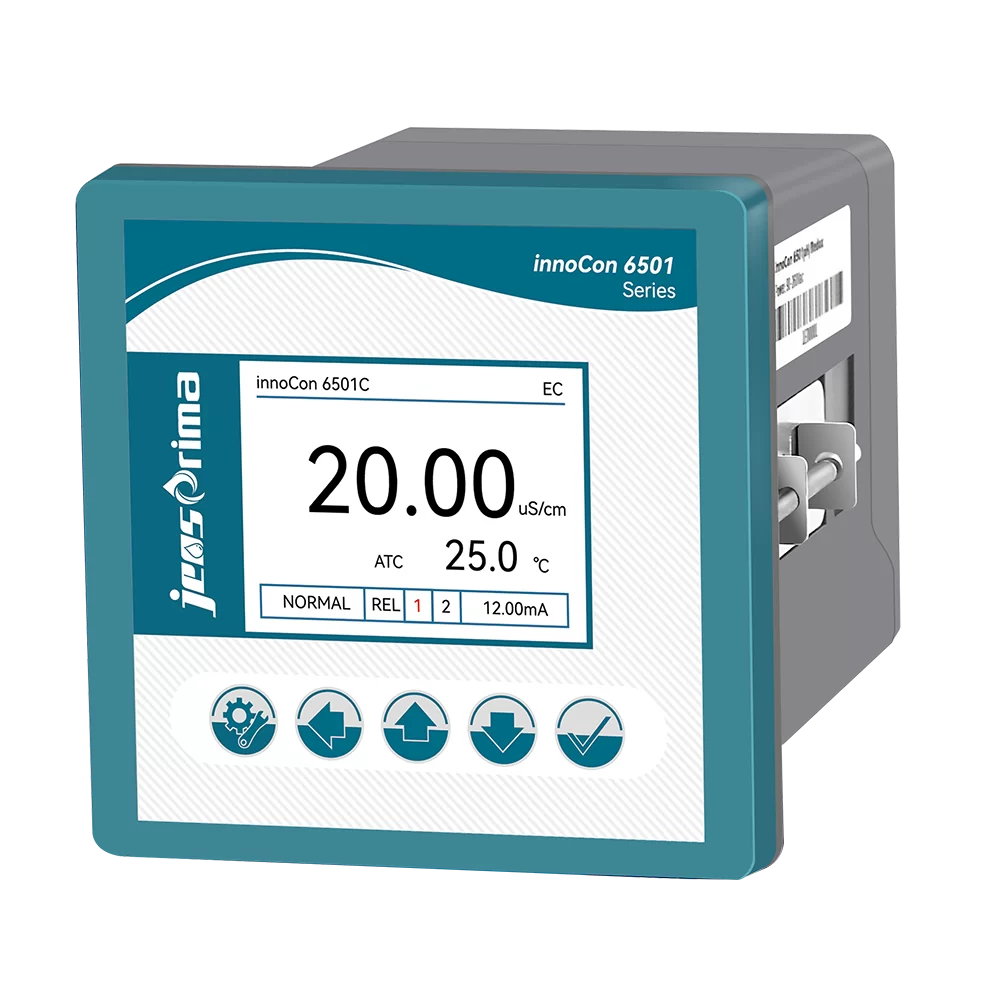
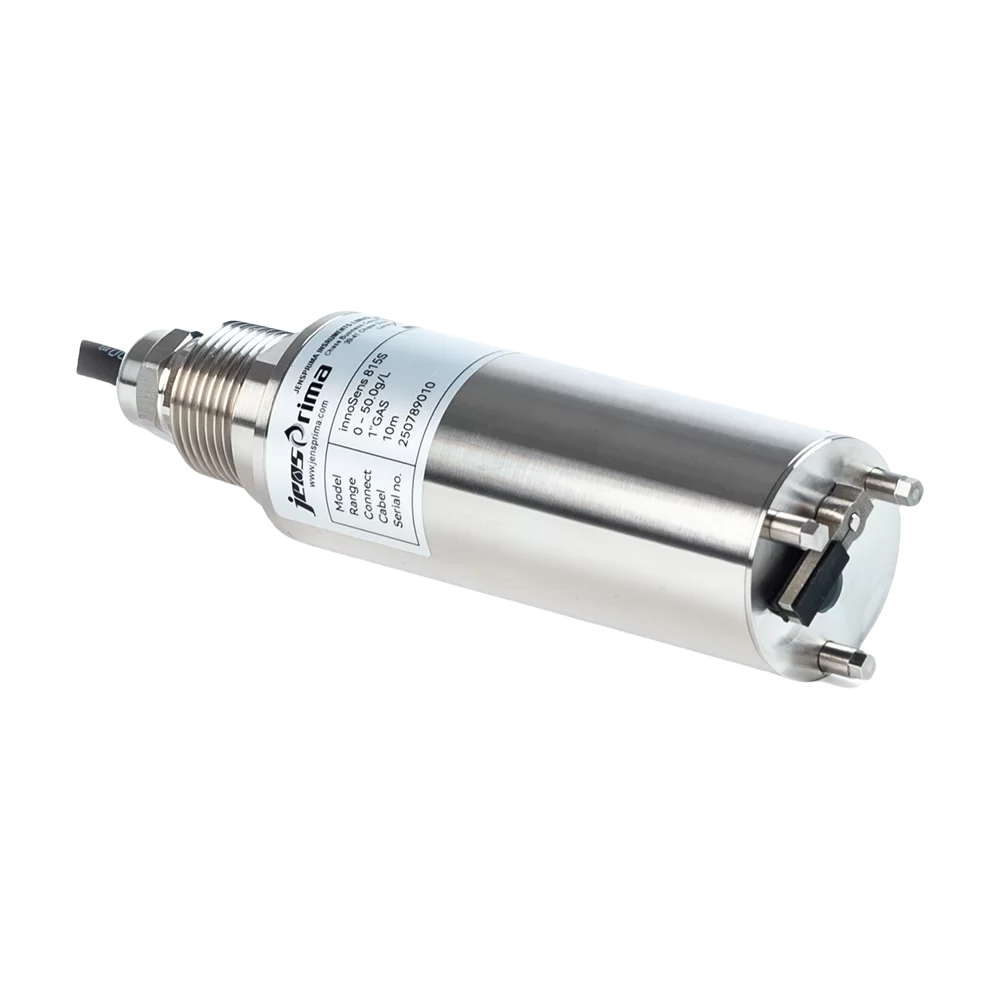
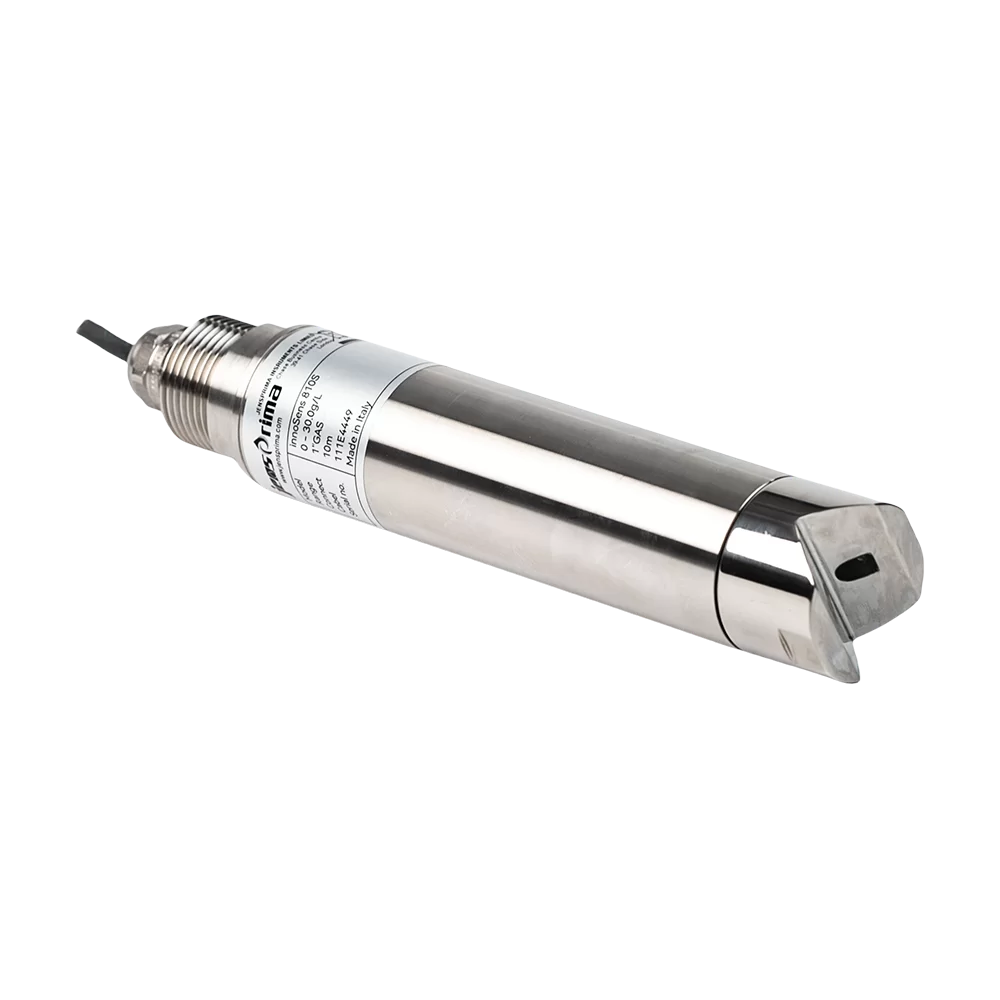
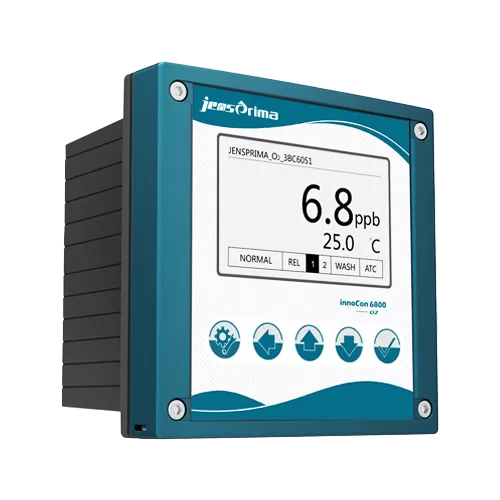
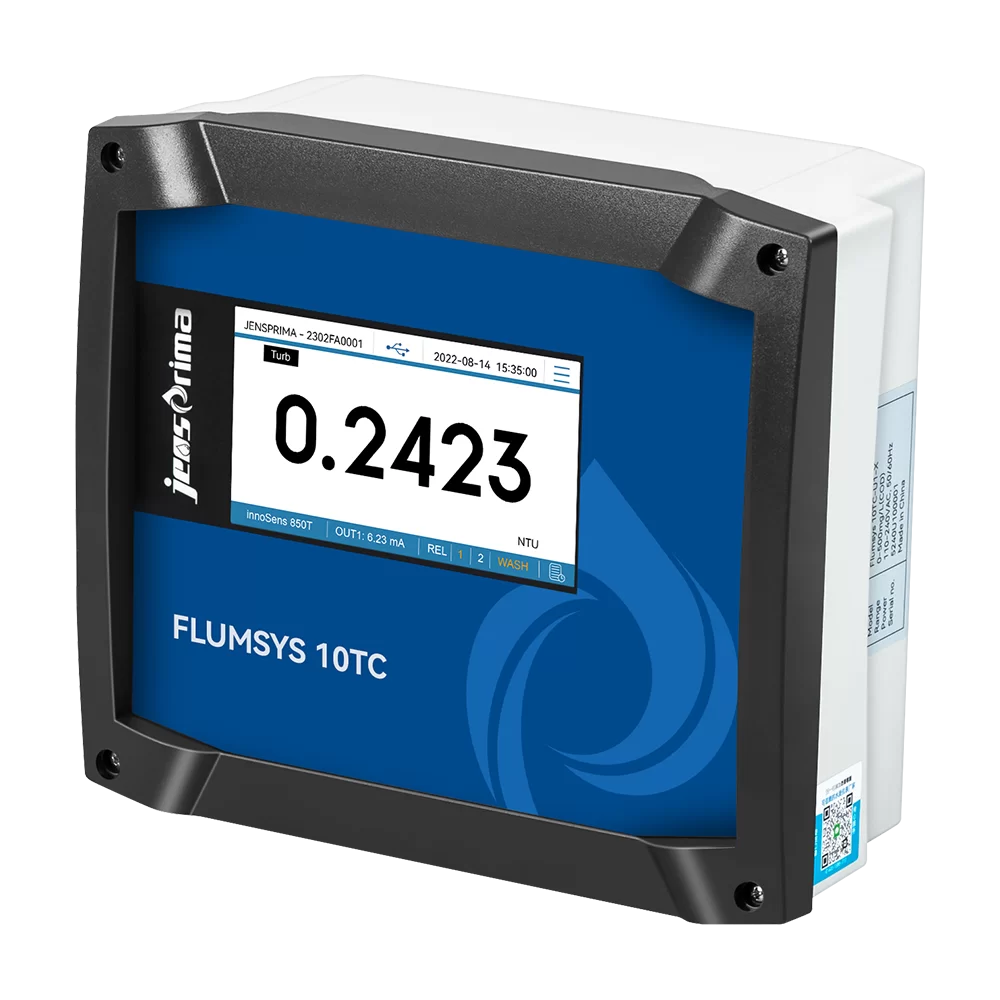
- Online/Process Analyzers: Continuously monitor water quality in real-time within industrial processes or wastewater treatment plants.
- Spectrophotometers: Used to measure the absorption and transmission of light through a water sample to determine the concentration of specific substances.
Key Parameters Measured by a Water Quality Analyzer
A comprehensive water quality analyzer can measure a multitude of parameters, including:
- pH: Indicates acidity or alkalinity.
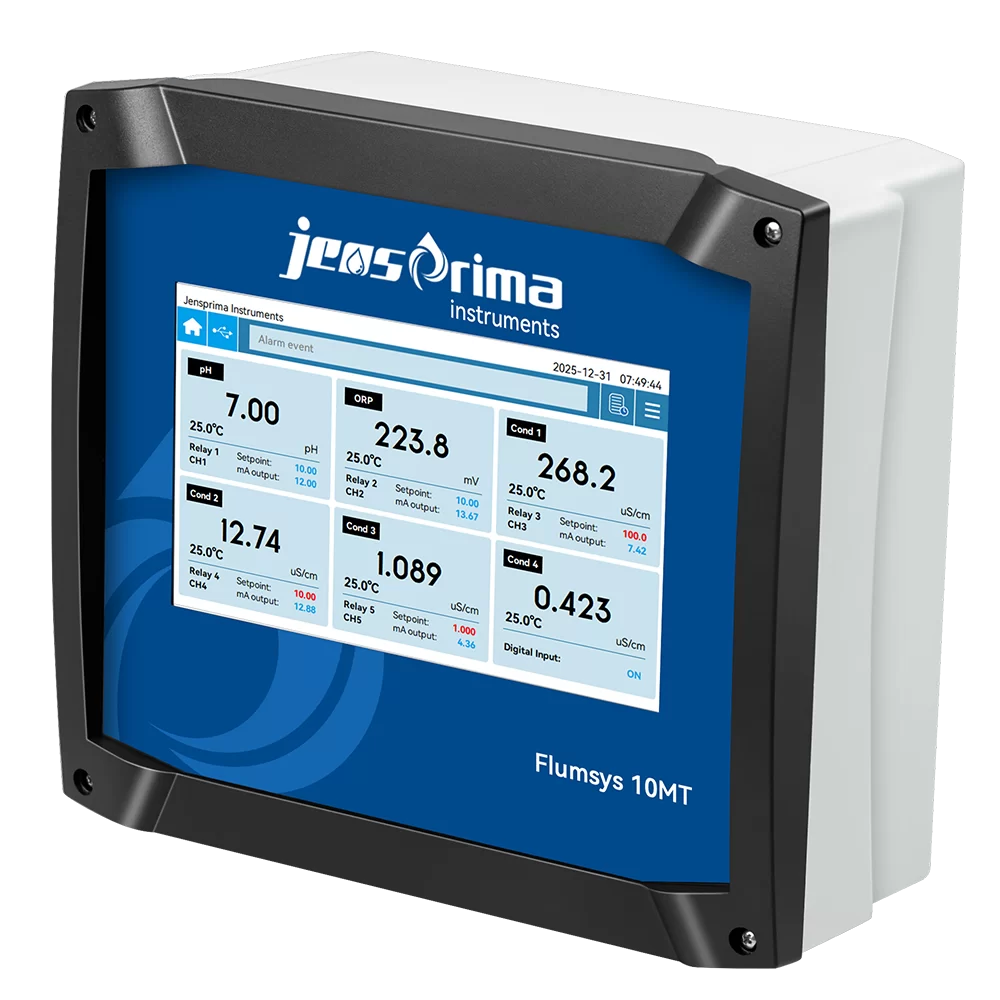
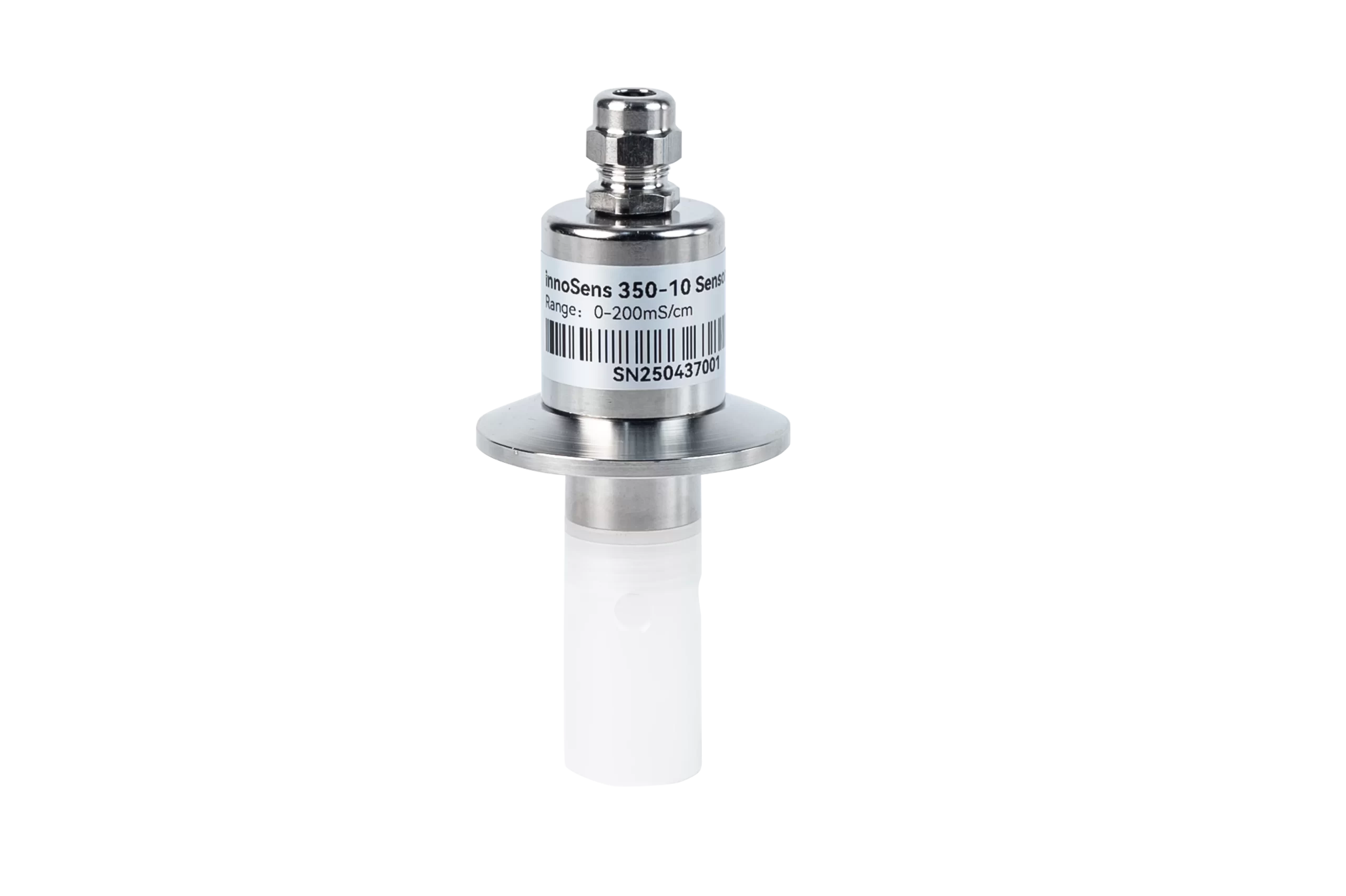
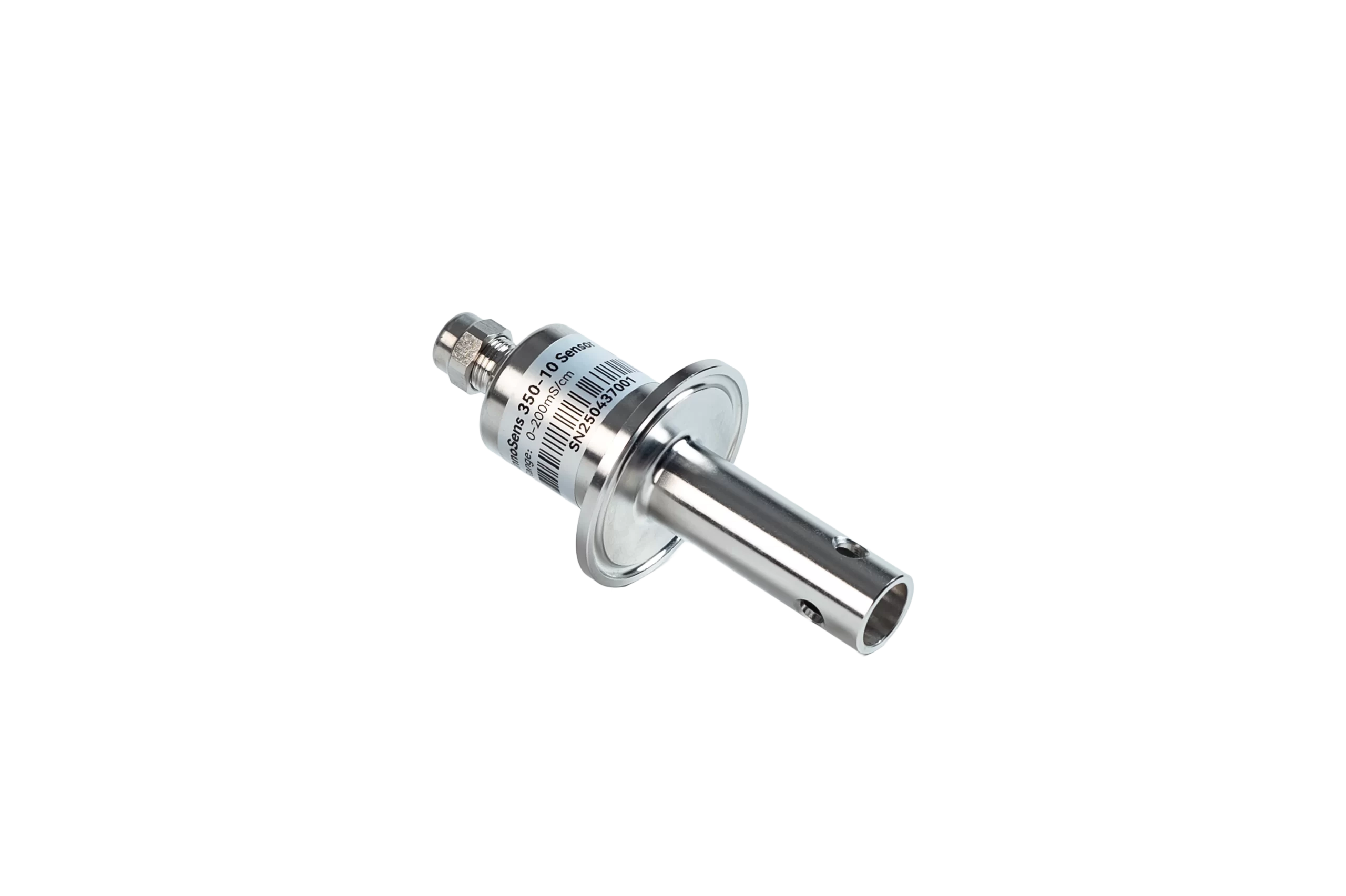
- Conductivity: Measures the ability of water to conduct electricity, reflecting the presence of dissolved salts and minerals.
- Dissolved Oxygen (DO): Crucial for aquatic life and indicates water’s health.
- Turbidity: Measures the cloudiness of water, indicating the presence of suspended particles.
- Total Dissolved Solids (TDS): The total amount of dissolved substances in water.
- Temperature: Affects many other parameters and impacts aquatic ecosystems.
- Specific Ions: Concentrations of chloride, nitrate, ammonia, etc.
Why Regular Water Quality Analysis is Important: Proactive monitoring helps identify potential contaminants, ensures compliance with regulations, and protects both human health and the environment.
Applications of Water Quality Analyzers
The applications for water quality analyzers are incredibly diverse. Some common areas where they are used include:
- Environmental Monitoring: Assessing the health of rivers, lakes, and oceans.
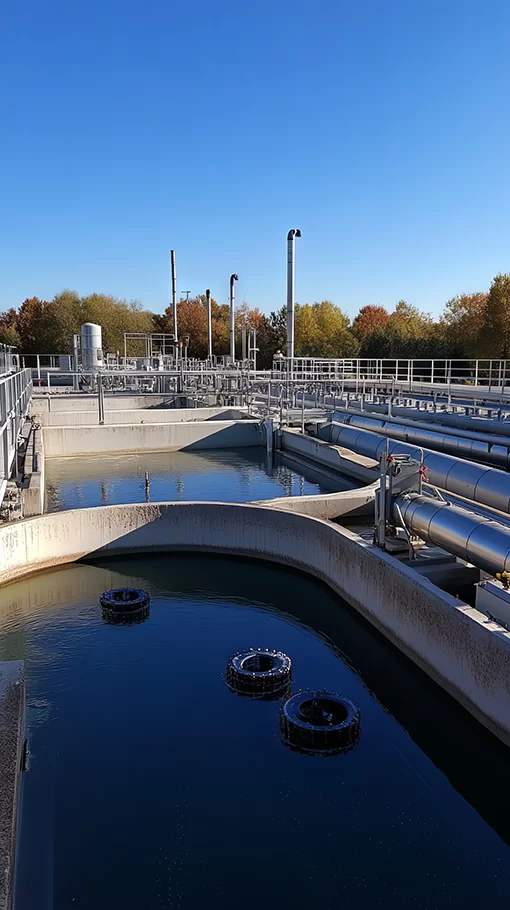
- Wastewater Treatment: Optimizing treatment processes and ensuring compliance with discharge regulations.
- Drinking Water Treatment: Ensuring the safety and potability of drinking water.
- Industrial Processes: Monitoring water used in manufacturing, cooling, and boiler systems.
- Aquaculture: Maintaining optimal water conditions for fish farming.
- Agriculture: Monitoring irrigation water quality.
Water Quality Analyzer Comparison
Choosing the right analyzer depends on your specific needs. Here's a comparison of different types:
| Analyzer Type |
Parameters Measured |
Portability |
Cost |
| Portable |
pH, Conductivity, DO, TDS |
High |
$200 - $2,000 |
| Benchtop |
Comprehensive range including ions, nutrients, heavy metals |
Low |
$1,000 - $10,000+ |
| Online/Process |
Specific parameters based on application |
N/A – Continuous monitoring |
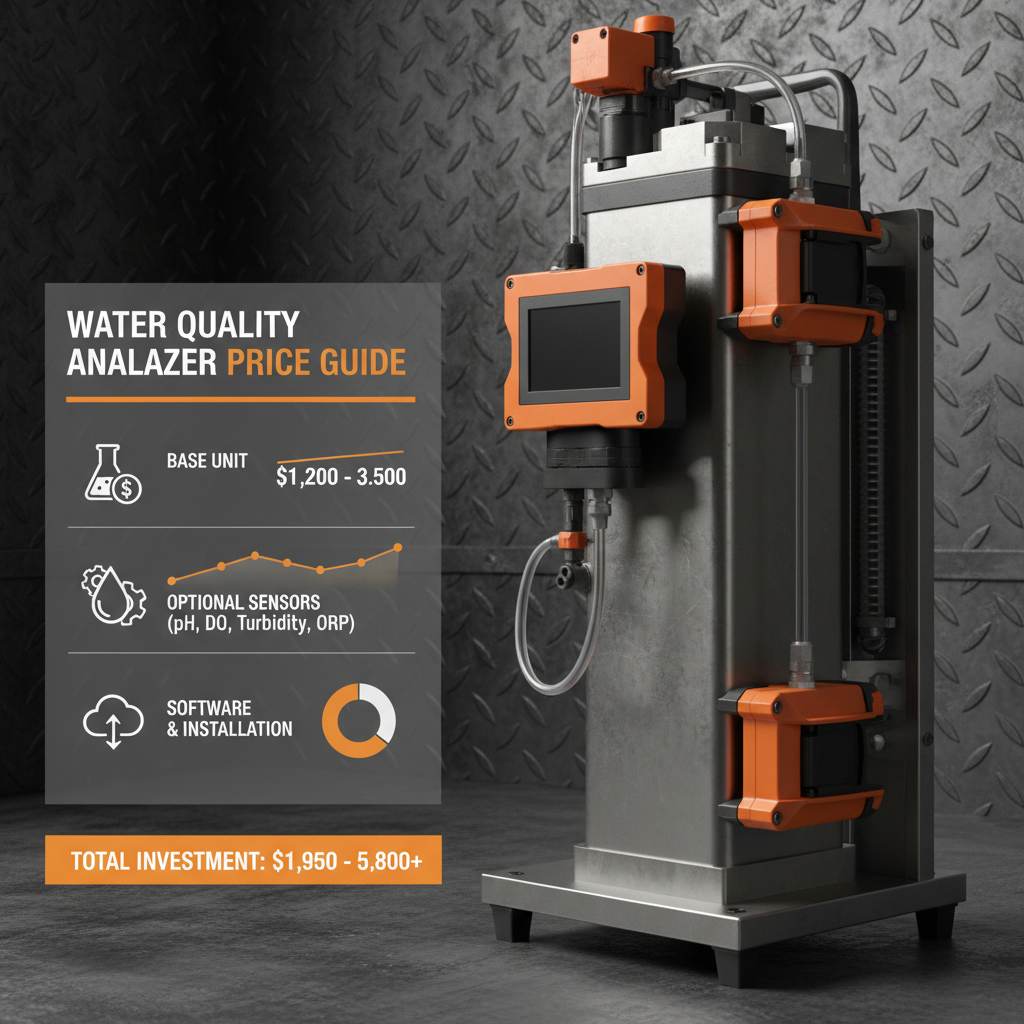
$500 - $5,000+ (plus installation) |
Choosing the Right Water Quality Analyzer
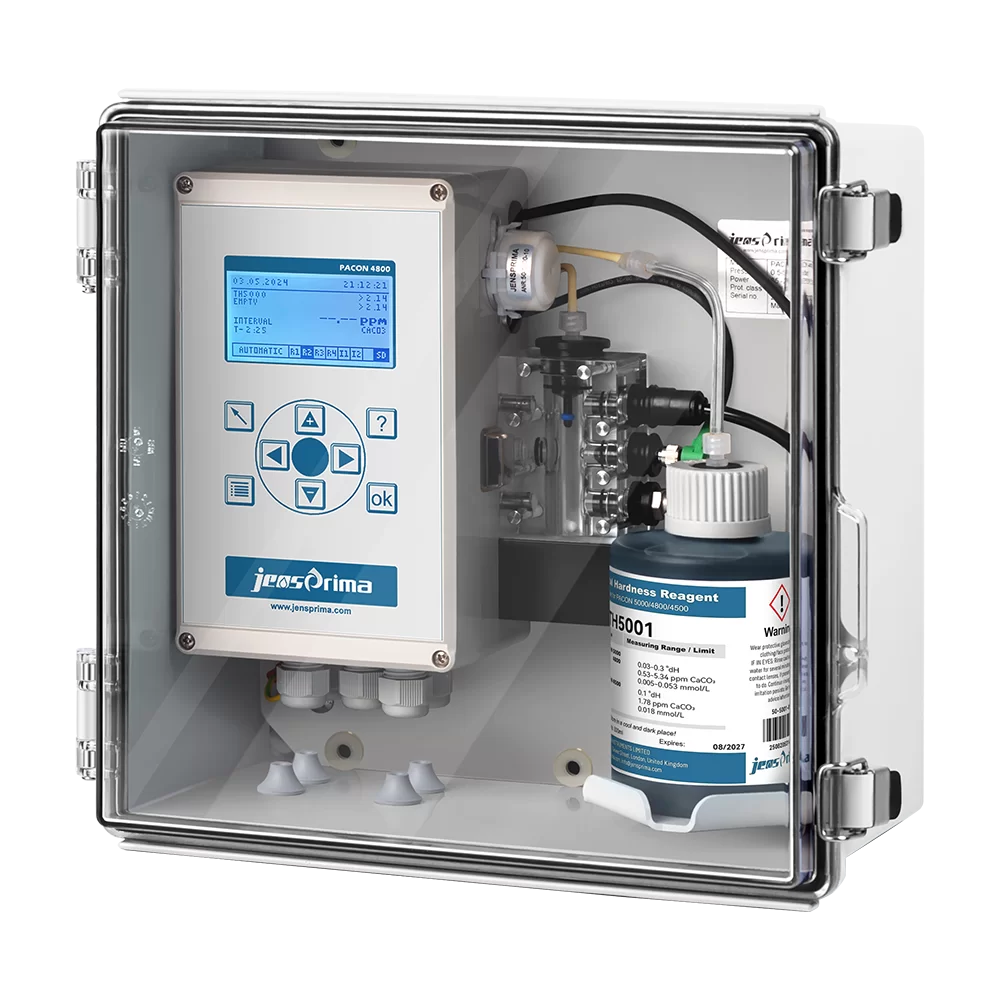
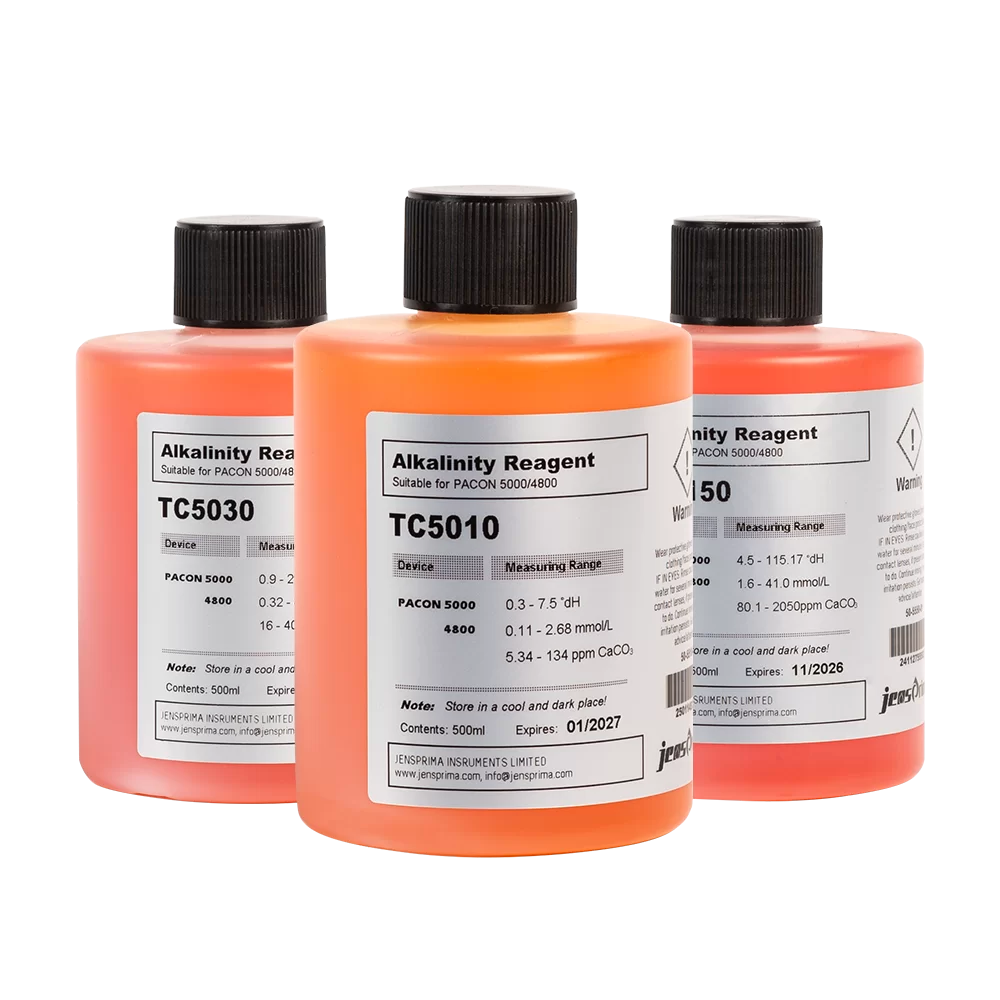
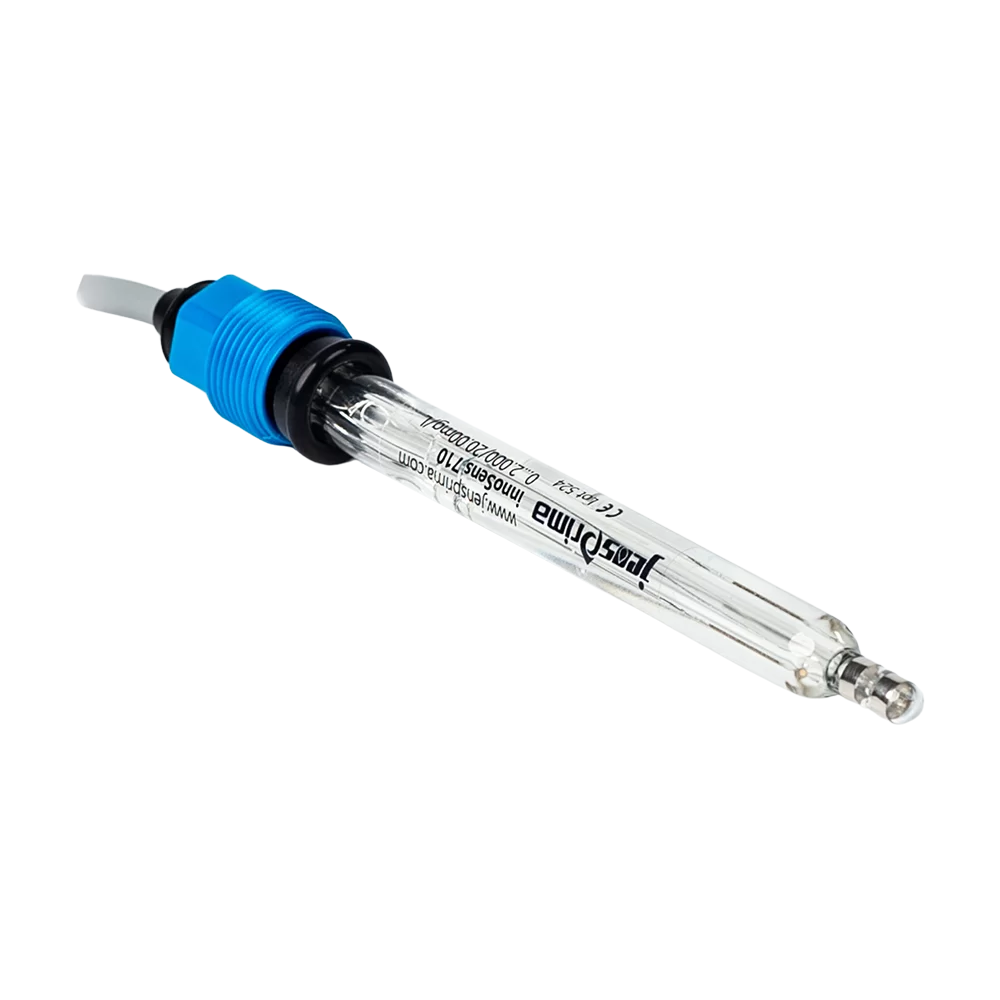
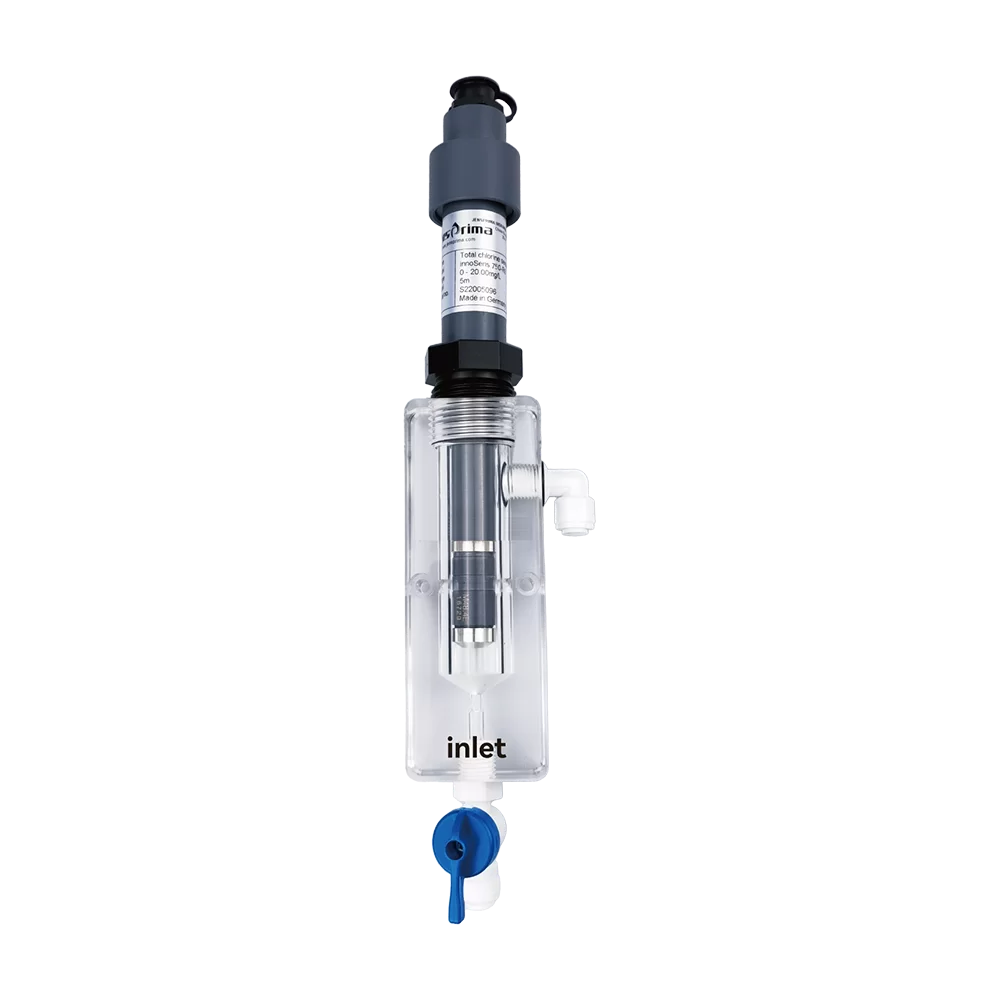
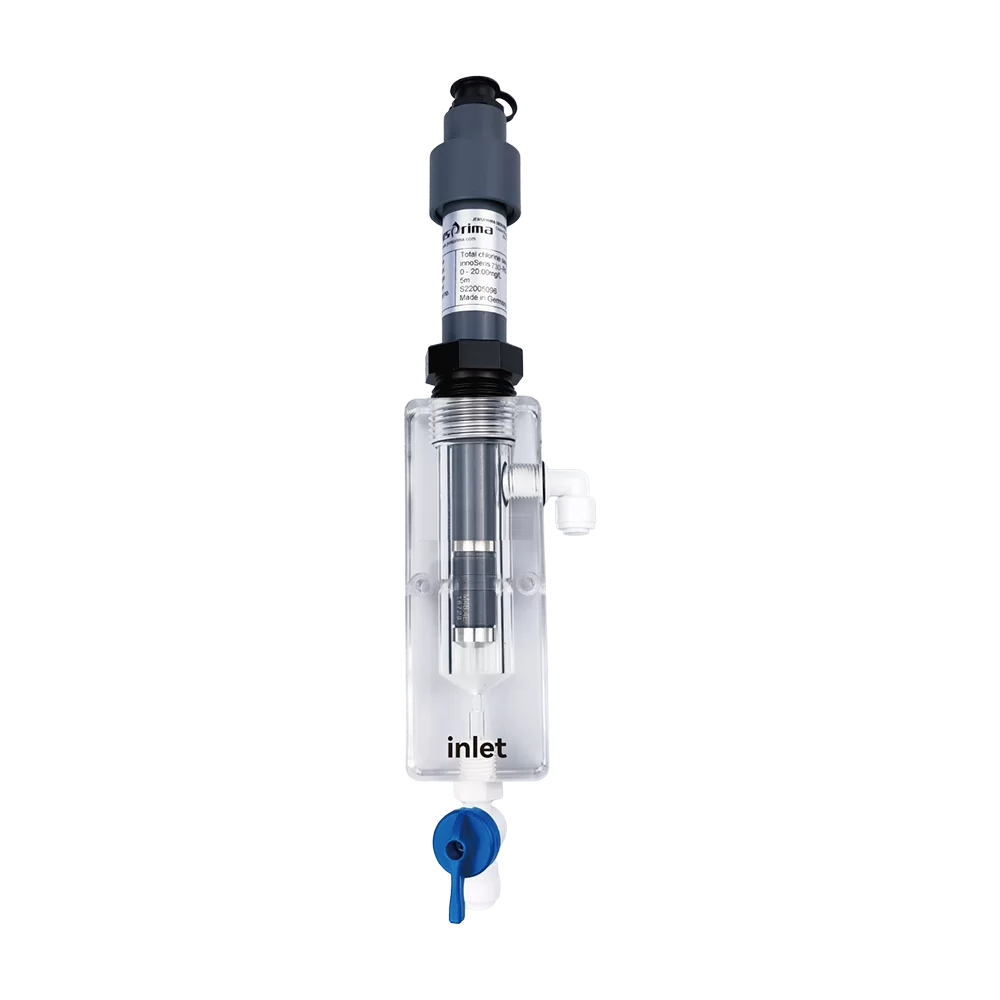
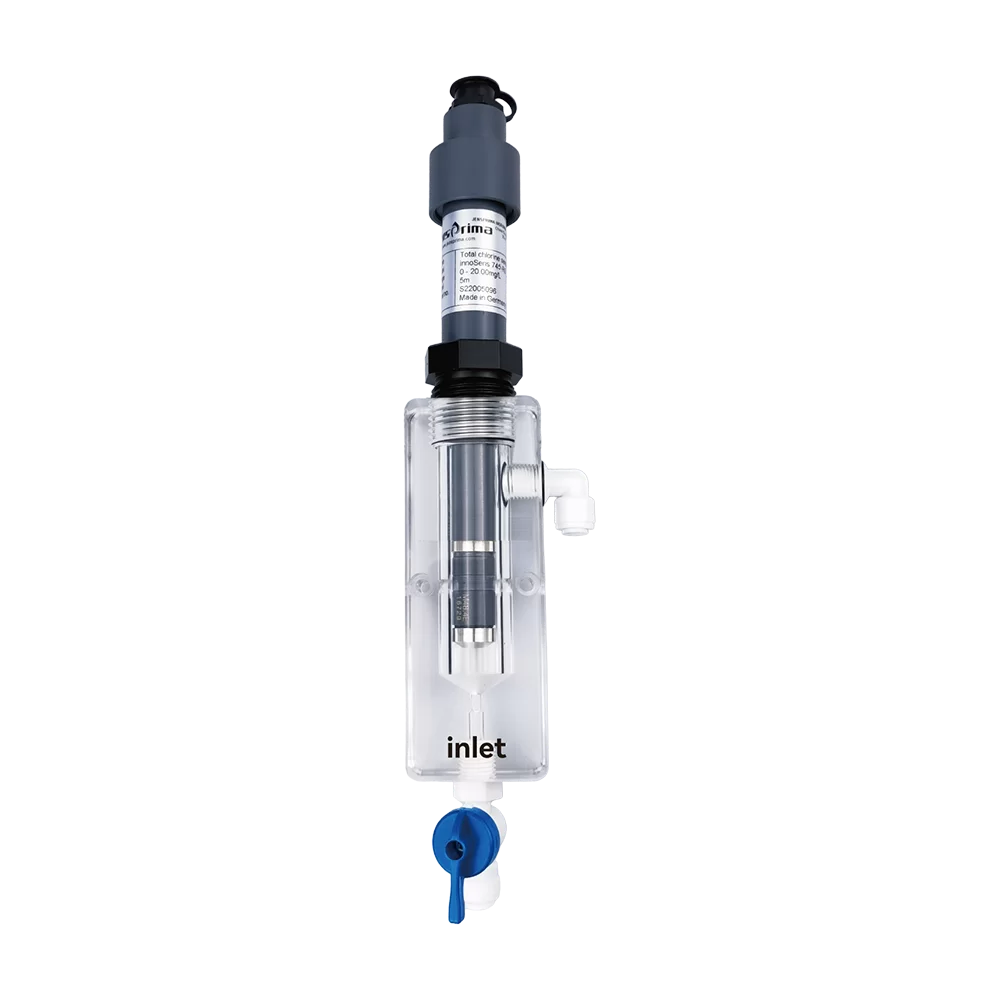
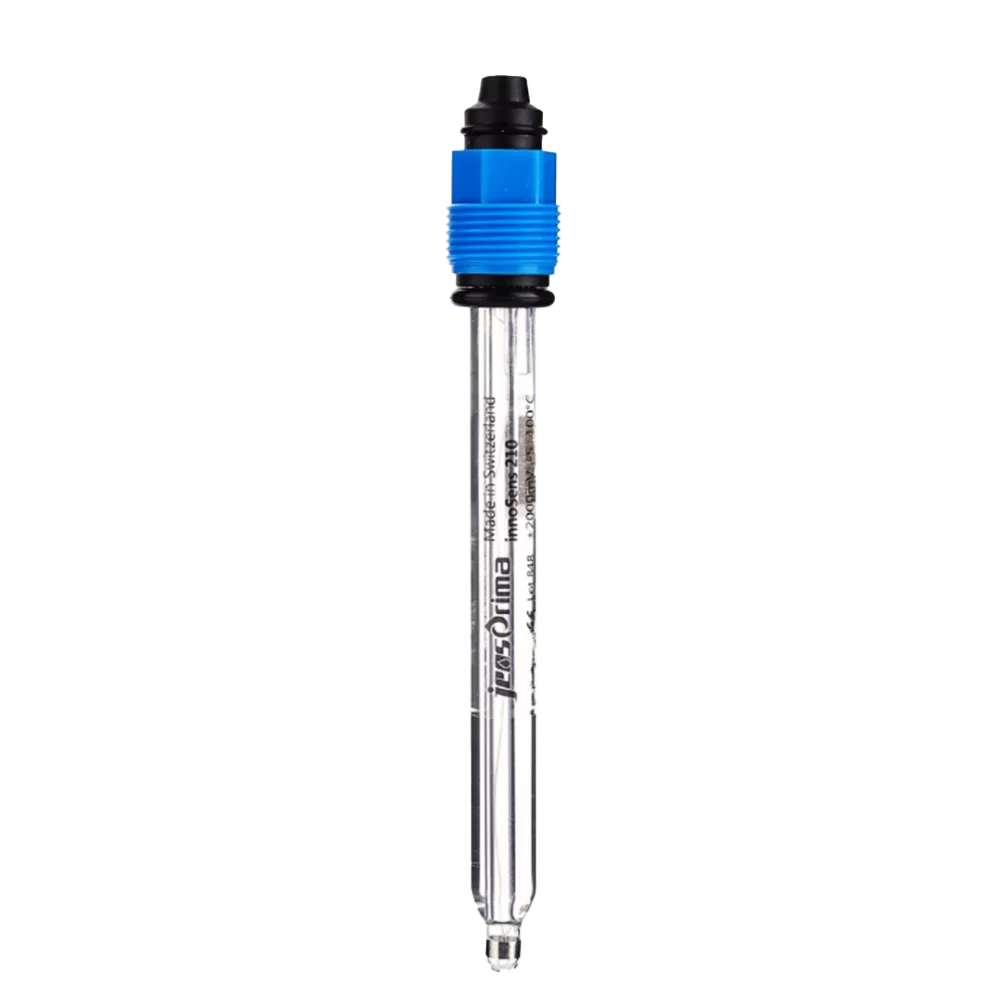
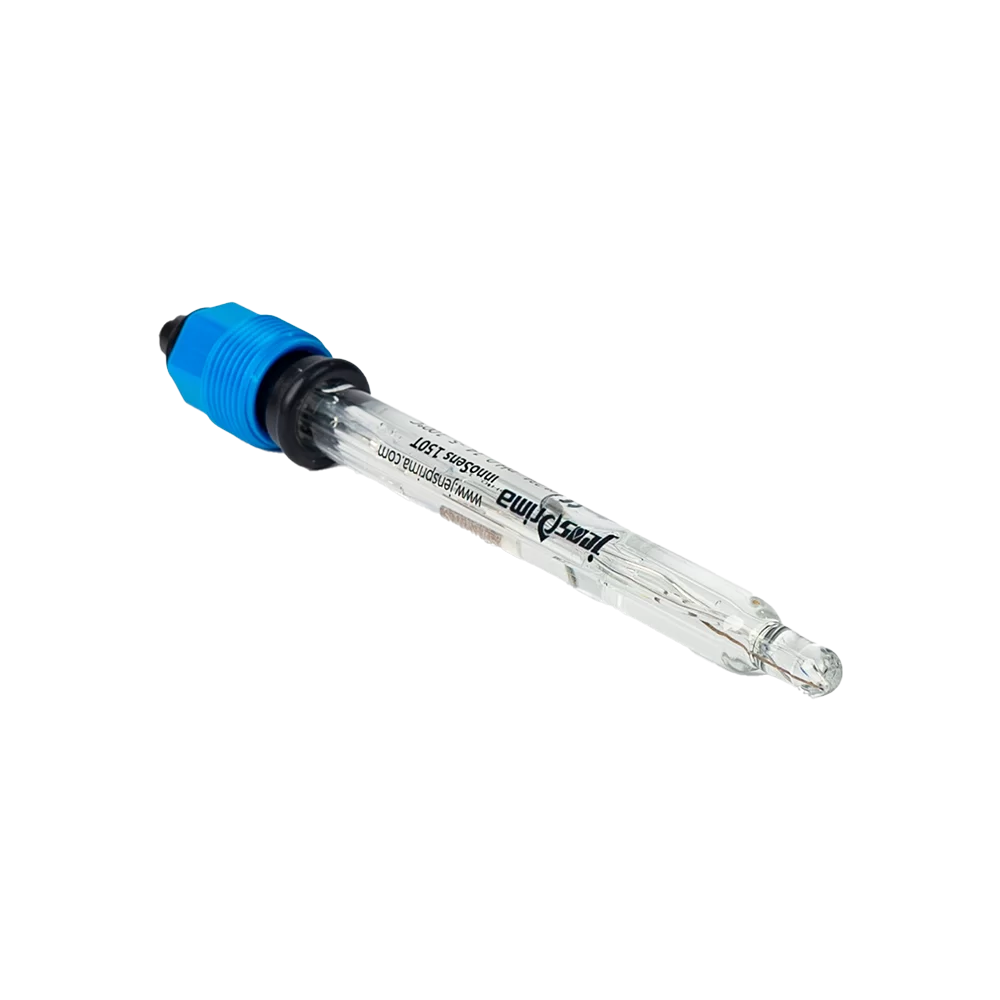
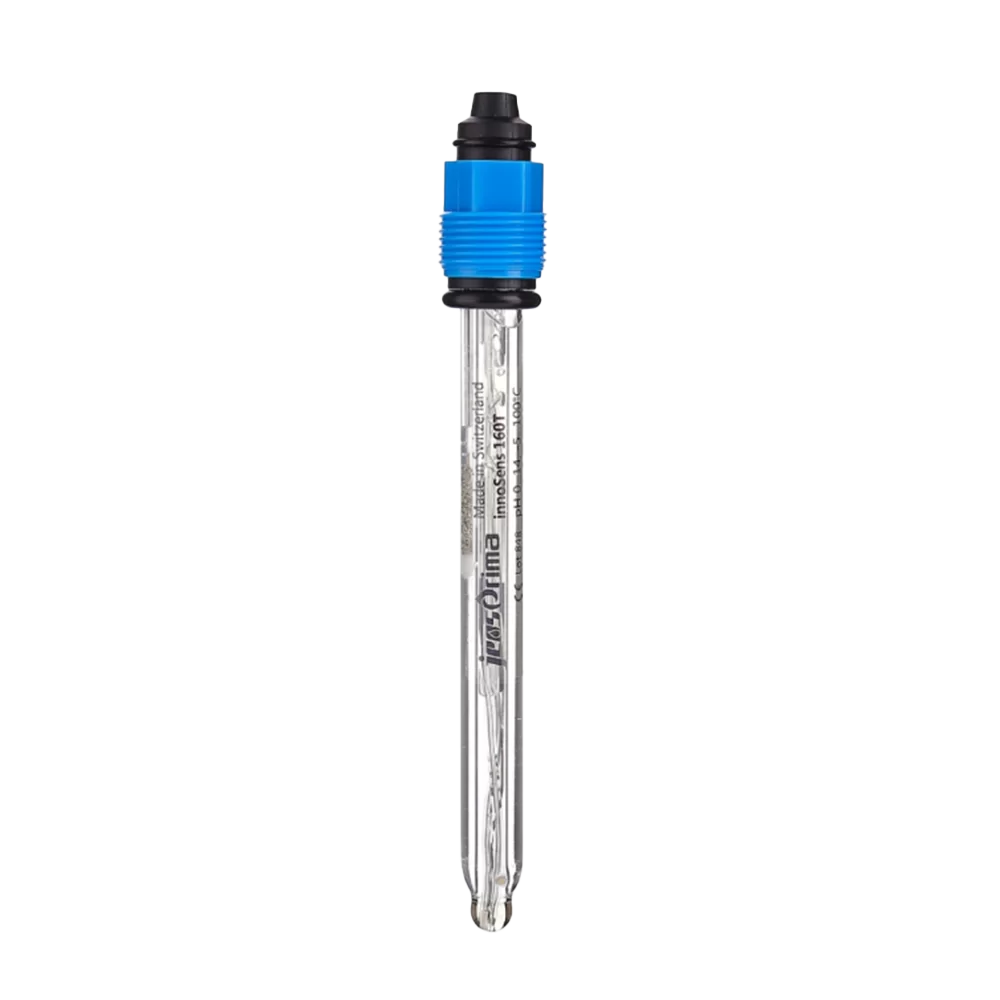
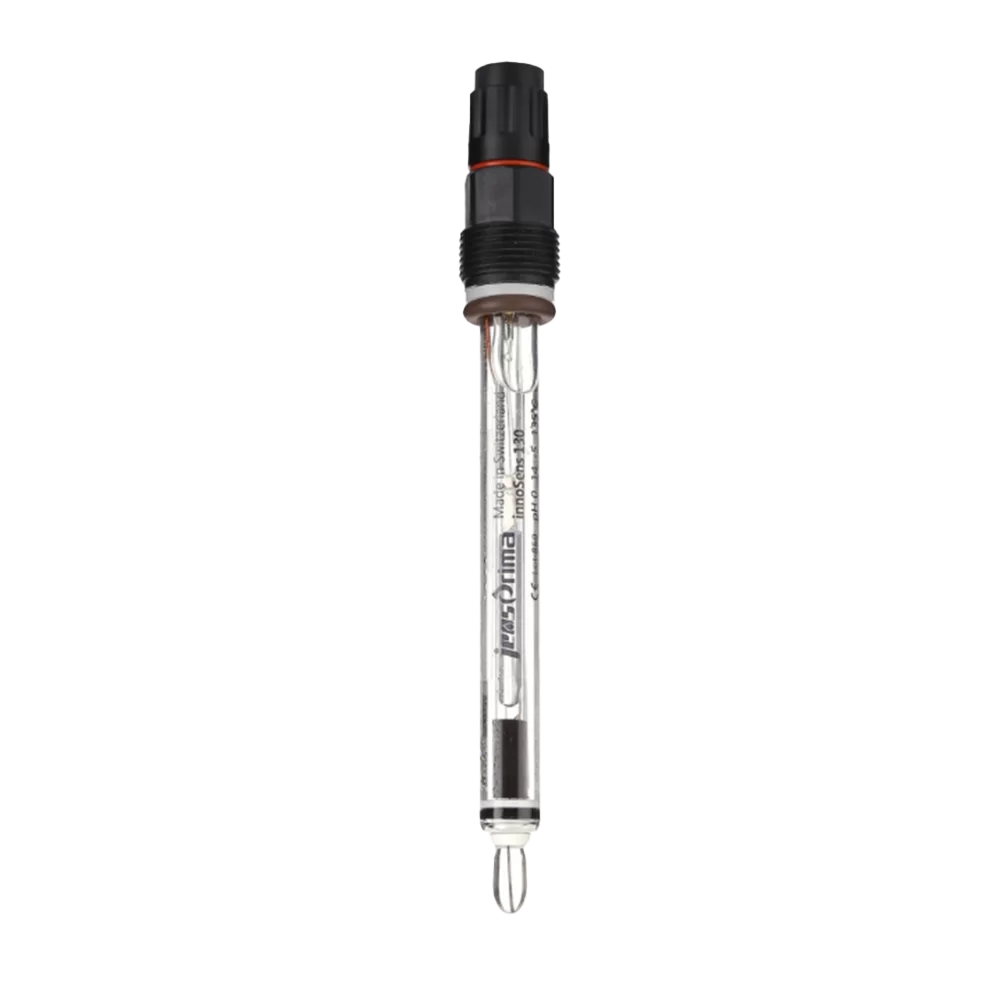
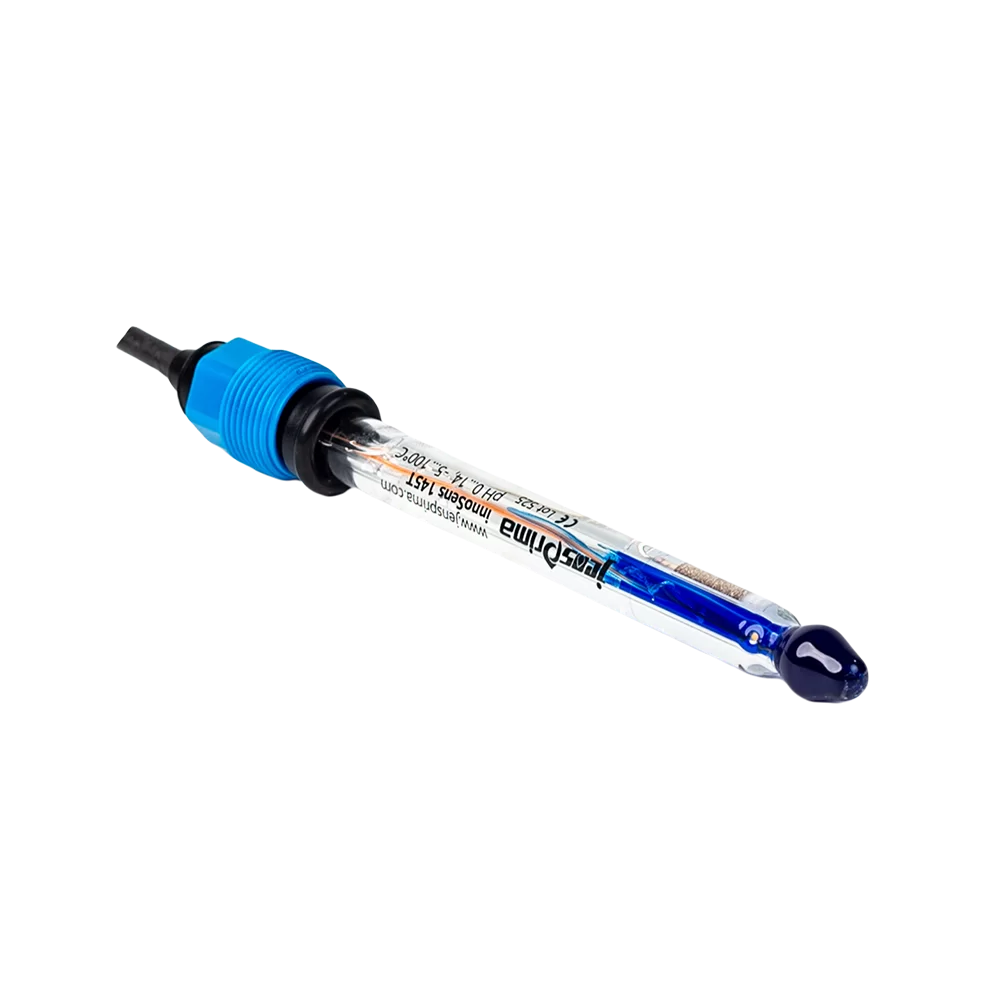
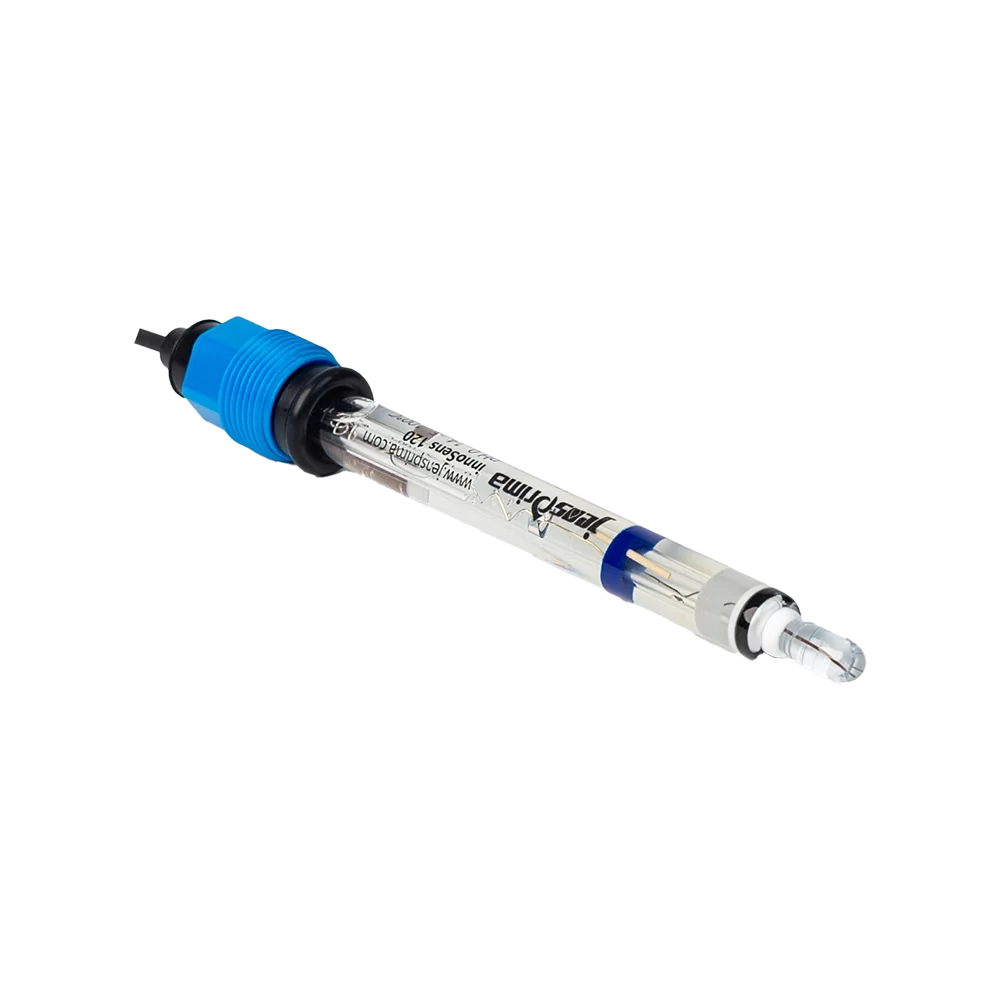
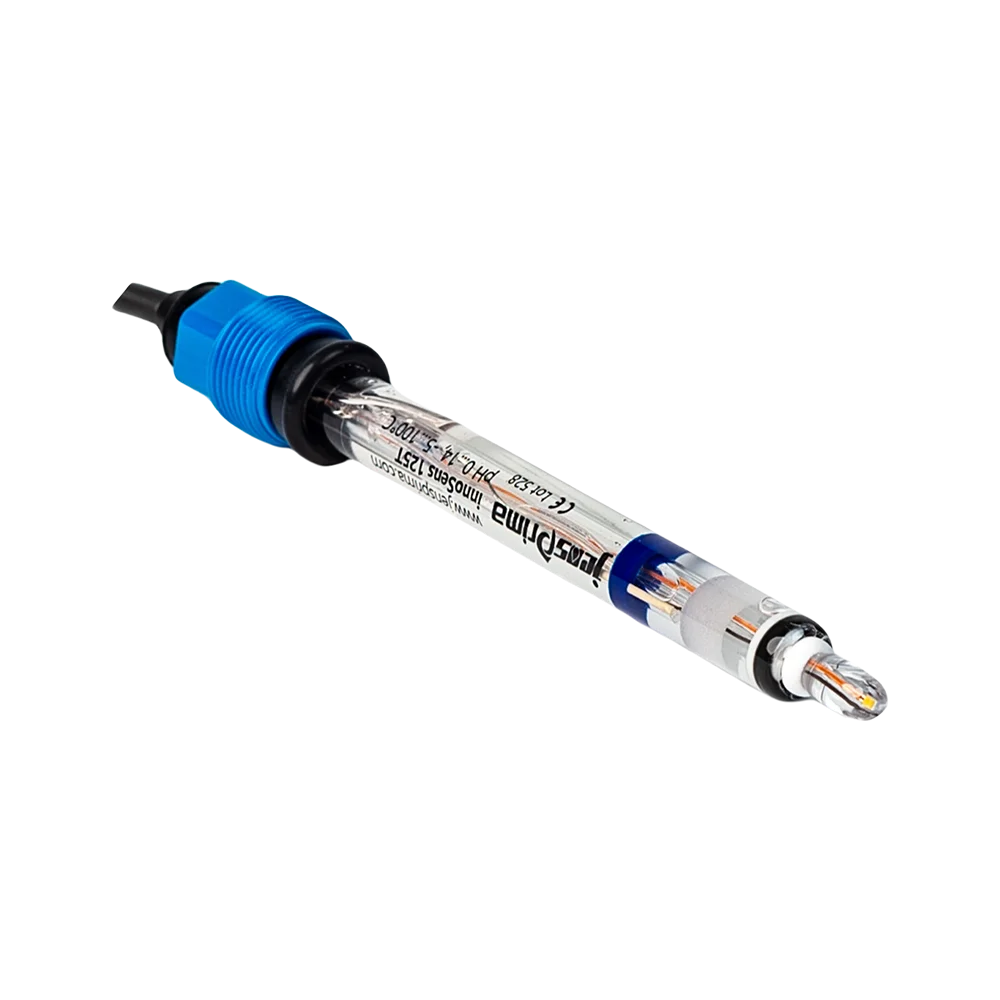
Selecting the appropriate water quality analyzer requires careful consideration of your specific needs. Factors to consider include the parameters you need to measure, the environment where the analyzer will be used, your budget, and the level of accuracy required. Jensprima offers a wide range of analyzers to meet diverse requirements, along with expert guidance to help you select the best solution.
Conclusion: Investing in Accurate Water Quality Monitoring
Accurate water quality monitoring is essential for protecting our environment, ensuring public health, and optimizing industrial processes. Investing in a reliable water quality analyzer is a proactive step towards responsible water management. Explore the range of solutions offered by Jensprima to find the perfect analyzer for your needs.
Frequently Asked Questions (FAQs)
What is the difference between TDS and Conductivity?
While both Total Dissolved Solids (TDS) and Conductivity measure the amount of dissolved substances in water, they assess different aspects. Conductivity measures the water’s ability to conduct an electrical current, which is directly related to the concentration of ions. TDS, on the other hand, measures the total weight of all dissolved solids. Conductivity is often a faster and more convenient measurement, while TDS provides a more comprehensive understanding of the total dissolved material. They are often correlated, but the relationship can vary depending on the types of ions present.
How often should I calibrate my water quality analyzer?
Calibration frequency depends on the analyzer type, usage, and the required accuracy. As a general guideline, portable analyzers should be calibrated weekly or bi-weekly. Benchtop analyzers may require less frequent calibration. Always follow the manufacturer’s recommendations for calibration procedures and frequency. Using calibration standards ensures the accuracy and reliability of your measurements. Regular calibration prevents drift and ensures consistent results.
What is the importance of dissolved oxygen in water?
Dissolved Oxygen (DO) is critical for the survival of aquatic life. Fish and other organisms need oxygen to breathe. Low DO levels can indicate pollution or excessive organic matter, leading to fish kills and ecosystem imbalances. DO also affects water taste and odor. Monitoring DO levels is essential for maintaining healthy aquatic environments and ensuring water quality standards are met. Different species require varying levels of DO to thrive.


 Download
 Video Center
 Technical Services
 FAQS
FAQS Service Network
 Privacy Policy
 Contact Us




 LEARN MORE